
UNIT IV: Landscaping and Ornamental Gardening
HORMI-101
Contents
Lawns: Establishment and Maintenance

1. INTRODUCTION
Definition: A lawn is an area covered with fine, dense grasses maintained as a green carpet through regular mowing and care.
2. IMPORTANCE OF LAWNS
- Enhances aesthetic beauty
- Provides recreational space
- Reduces soil erosion
- Lowers surrounding temperature
- Controls dust and noise
- Creates resting space in gardens and parks
3. CHARACTERISTICS OF AN IDEAL LAWN
- Uniform green appearance
- Dense grass cover
- Soft texture
- Free from weeds
- Tolerant to trampling
- Fast recovery after mowing
4. TYPES OF LAWNS
4.1 Based on Purpose
- Ornamental Lawn: Decorative purpose, High maintenance, Fine-textured grasses
- Utility Lawn: Used for: Parks, Playgrounds, Public gardens
- Sports Lawn: Used for games and sports, Requires durable grasses
4.2 Based on Climate
- Warm Season Lawns: Grow well in tropical/subtropical climates.
Examples: Bermuda grass, Doob grass - Cool Season Lawns: Suitable for temperate regions.
Examples: Rye grass, Fescue grass
5. IMPORTANT LAWN GRASSES
| Common Name | Botanical Name | Characteristics |
|---|---|---|
| Bermuda grass | Cynodon dactylon | Fine texture, drought tolerant |
| Korean grass | Zoysia japonica | Dense growth |
| Carpet grass | Axonopus compressus | Shade tolerant |
| Rye grass | Lolium perenne | Cool season lawn |
6. ESTABLISHMENT OF LAWNS
6.1 Site Selection
- Open sunny area
- Good drainage
- Fertile soil
- Level land preferred
6.2 Soil Preparation
- Cleaning: Remove Stones, Weeds & Debris
- Digging and Levelling: Dig soil up to 20–30 cm depth, Fine tilth prepared, Proper levelling essential
- Addition of Organic Matter: 5–10 kg/m² FYM or compost
- Soil pH: Ideal pH is 5.5–7.0
6.3 Methods of Lawn Establishment
- Seeding Method
- Procedure: Seeds broadcast uniformly, Covered lightly with soil, Irrigated immediately
- Advantages: Economical, Suitable for large areas
- Disadvantages: Slow establishment
- Turfing (Sodding)
- Procedure: Pre-grown grass turf laid on prepared land
- Advantages: Instant lawn, Controls erosion quickly
- Disadvantages: Expensive
- Dibbling/Root Slip Planting
- Procedure: Root slips planted at regular spacing
- Common in: Doob grass
- Sprigging/Stolonizing
- Grass runners planted in soil
6.4 Irrigation after Establishment
- Frequent light irrigation initially
- Avoid water stagnation
7. MAINTENANCE OF LAWNS
7.1 Mowing
Definition: Cutting grass regularly to maintain uniform height.
- Objectives: Encourage dense growth, Maintain neat appearance
- Frequency: Every 7–15 days depending on growth
- Ideal Height: Usually 3–5 cm
7.2 Irrigation
- Deep but infrequent irrigation preferred
- Morning irrigation best
7.3 Fertilization
| Nutrient | Function |
|---|---|
| Nitrogen | Green growth |
| Phosphorus | Root development |
| Potassium | Stress resistance |
General Recommendation: NPK applied 3–4 times/year
7.4 Weeding
- Manual weeding
- Herbicides if necessary
7.5 Aeration
Making holes in soil to improve:
- Air movement
- Water infiltration
7.6 Rolling
Light rolling improves smoothness
7.7 Top Dressing
Addition of sand + compost mixture over lawn
- Benefits: Improves leveling, Encourages growth
7.8 Pest and Disease Management
- Common Pests: White grubs, Armyworms
- Common Diseases: Brown patch, Dollar spot
- Management: Proper drainage, Fungicides/insecticides, Regular monitoring
8. COMMON PROBLEMS IN LAWNS
| Problem | Cause |
|---|---|
| Yellowing | Nutrient deficiency |
| Bare patches | Poor irrigation/pests |
| Weed infestation | Poor maintenance |
| Waterlogging | Improper drainage |
9. SPECIAL TYPES OF LAWNS
- Terrace Lawn: Lawn on rooftops
- Meadow Lawn: Natural grass appearance
- Sports Turf: Durable grasses for sports fields
10. ADVANTAGES OF LAWNS
- Cooling effect
- Reduces pollution
- Increases property value
- Recreational utility
11. DISADVANTAGES
- High maintenance cost
- Frequent watering needed
- Requires mowing regularly
Special Types of Gardens
Definition: Special types of gardens are gardens designed for:
- Specific environmental conditions
- Space limitations
- Decorative themes
- Functional landscape purposes
1. VERTICAL GARDEN

1.1 Definition
A vertical garden is a method of growing plants vertically on: Walls, Frames, Panels, Structures
1.2 Objectives
- Space utilization
- Urban beautification
- Thermal insulation
- Air purification
1.3 Characteristics
- Plants grown vertically
- Requires support structures
- Often uses lightweight media
1.4 Components
- Supporting frame
- Irrigation system
- Growing medium
- Drainage arrangement
1.5 Types of Vertical Gardens
- Green Facade: Climbers trained on wall/support
- Living Wall: Plants grown in modular panels attached to walls
1.6 Suitable Plants
| Plant | Feature |
|---|---|
| Money plant | Fast growing |
| Ferns | Shade tolerant |
| Philodendron | Ornamental foliage |
| Spider plant | Hardy |
1.7 Advantages
- Saves space
- Reduces heat effect
- Improves air quality
- Noise reduction
1.8 Limitations
- High installation cost
- Requires regular maintenance
- Irrigation management essential
2. ROOF GARDEN (TERRACE GARDEN)
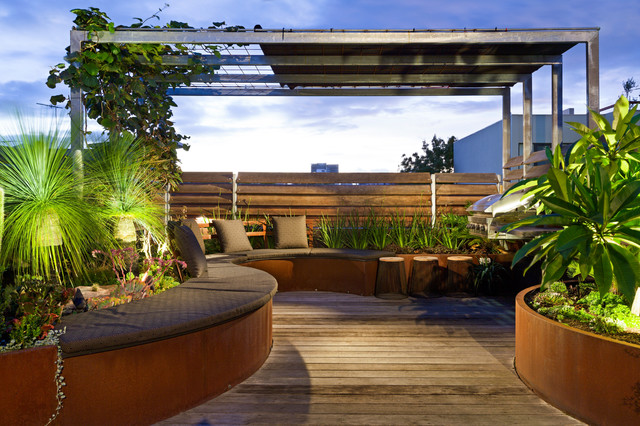
2.1 Definition
A roof garden is a garden established on the roof or terrace of a building.
2.2 Objectives
- Urban greening
- Temperature reduction
- Food and ornamental plant production
- Rainwater management
2.3 Requirements
- Strong roof structure
- Waterproofing
- Proper drainage
- Lightweight growing media
2.4 Components
- Waterproof membrane
- Drainage layer
- Root barrier
- Growing medium
- Irrigation system
2.5 Suitable Plants
| Category | Examples |
|---|---|
| Ornamentals | Petunia, Marigold |
| Succulents | Sedum, Aloe |
| Shrubs | Duranta dwarf |
| Vegetables | Tomato, Chilli |
2.6 Types of Roof Gardens
- Extensive Roof Garden: Lightweight, Low maintenance, Small plants used
- Intensive Roof Garden: Deeper soil, Large plants/shrubs possible, Higher maintenance
2.7 Advantages
- Reduces urban heat island effect
- Improves insulation
- Utilizes unused space
- Enhances aesthetics
2.8 Limitations
- Structural load concerns
- Waterproofing cost
- Limited rooting depth
3. BOG GARDEN

3.1 Definition
A bog garden is a garden designed for growing plants that prefer: Wet, Marshy, Waterlogged conditions
3.2 Characteristics
- Moist soil conditions
- Poor drainage intentionally maintained
- Humidity-loving plants
3.3 Objectives
- Cultivation of marsh plants
- Water garden beautification
- Naturalistic landscape effect
3.4 Site Requirements
- Partial sunlight
- Continuous moisture supply
- Organic rich soil
3.5 Suitable Plants
| Plant | Type |
|---|---|
| Canna | Moisture loving |
| Cyperus | Marsh plant |
| Iris | Bog ornamental |
| Colocasia | Tropical foliage |
3.6 Construction
- Shallow pit created
- Waterproof lining sometimes used
- Filled with organic soil and moisture-retaining media
3.7 Advantages
- Unique landscape feature
- Supports aquatic/marsh vegetation
- Enhances biodiversity
3.8 Limitations
- Mosquito breeding risk
- Continuous water requirement
4. SUNKEN GARDEN
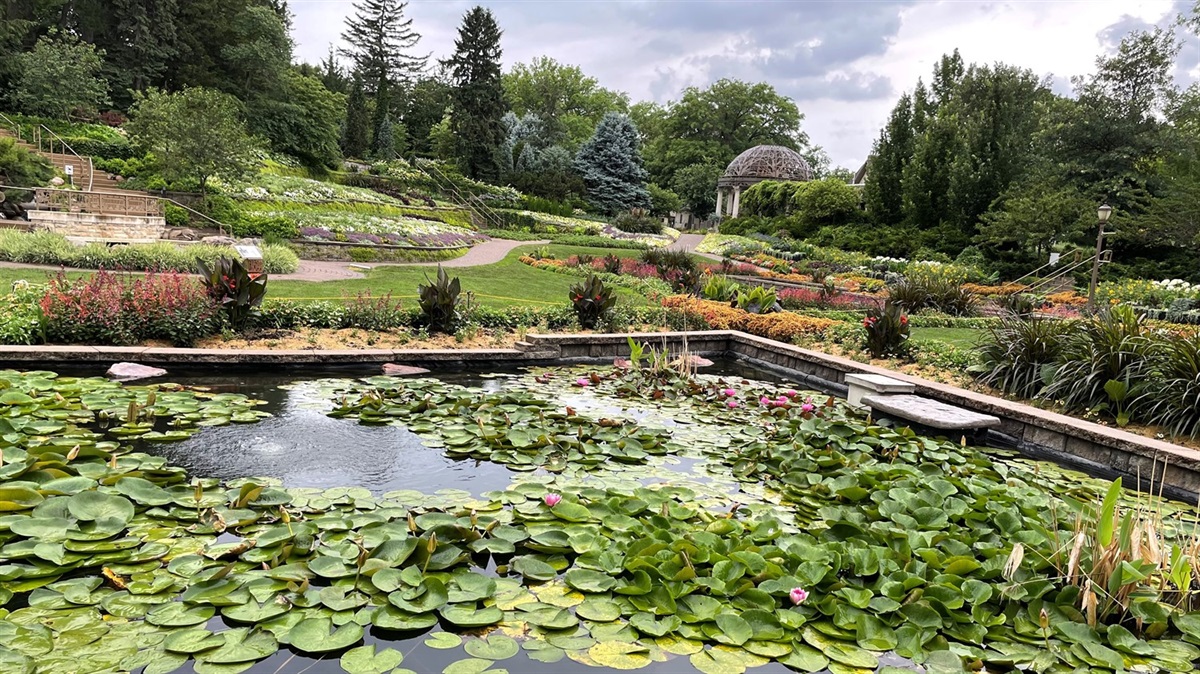
4.1 Definition
A sunken garden is a garden developed below the surrounding ground level.
4.2 Characteristics
- Lower than surrounding landscape
- Often enclosed by retaining walls or slopes
- Creates intimate garden effect
4.3 Objectives
- Decorative effect
- Wind protection
- Improved visual depth
4.4 Design Features
- Central lawn or flower bed
- Steps for access
- Retaining walls
- Water features/fountains sometimes included
4.5 Suitable Plants
- Seasonal flowers
- Ground covers
- Shrubs
- Lawn grasses
4.6 Advantages
- Attractive landscape effect
- Protection from strong winds
- Better microclimate
4.7 Limitations
- Drainage problems possible
- Higher construction cost
DIFFERENCE BETWEEN SPECIAL GARDENS
| Feature | Vertical Garden | Roof Garden | Bog Garden | Sunken Garden |
|---|---|---|---|---|
| Location | Vertical walls | Rooftops | Wet areas | Below ground level |
| Main Feature | Vertical planting | Terrace cultivation | Water-loving plants | Depressed landscape |
| Water Requirement | Moderate | Moderate | High | Moderate |
| Purpose | Space saving | Urban gardening | Marsh effect | Ornamental depth |
5. ROCK GARDEN

5.1 Definition
A rock garden (rockery) is a garden designed using: Rocks, Stones, Gravel along with suitable ornamental plants to imitate natural rocky landscapes.
5.2 Objectives
- Beautification of uneven land
- Utilization of rocky areas
- Growing alpine and xerophytic plants
- Creating natural landscape effect
5.3 Characteristics
- Irregular arrangement of rocks
- Good drainage
- Natural appearance
- Use of dwarf and hardy plants
5.4 Site Requirements
- Sunny location preferred
- Sloping land ideal
- Well-drained soil
5.5 Construction
- Large stones placed first
- Smaller rocks arranged naturally
- Soil mixture filled between rocks
- Plants introduced in pockets
5.6 Suitable Plants
| Plant Type | Examples |
|---|---|
| Succulents | Agave, Aloe |
| Cacti | Opuntia |
| Ground Covers | Sedum |
| Alpines | Dianthus |
5.7 Advantages
- Low maintenance
- Drought tolerant plants used
- Suitable for poor soils
- Attractive natural appearance
5.8 Limitations
- Requires careful design
- Limited plant selection
6. CLOCK GARDEN

6.1 Definition
A clock garden is a decorative garden where flowering or foliage plants are arranged in the shape of a clock.
6.2 Objectives
- Ornamental attraction
- Public landscape beautification
- Educational and recreational value
6.3 Characteristics
- Circular design
- Colorful bedding plants used
- Clock hands may be functional
6.4 Design Features
- Circular flower bed
- Numerals marked with plants or stones
- Central clock mechanism (optional)
6.5 Suitable Plants
| Plant | Feature |
|---|---|
| Alternanthera | Colored foliage |
| Alyssum | Compact growth |
| Petunia | Seasonal flowering |
| Iresine | Red foliage |
6.6 Advantages
- Highly decorative
- Creates focal point
- Popular in public gardens and parks
6.7 Limitations
- Requires frequent maintenance
- Seasonal replacement of plants needed
COLOUR WHEELS
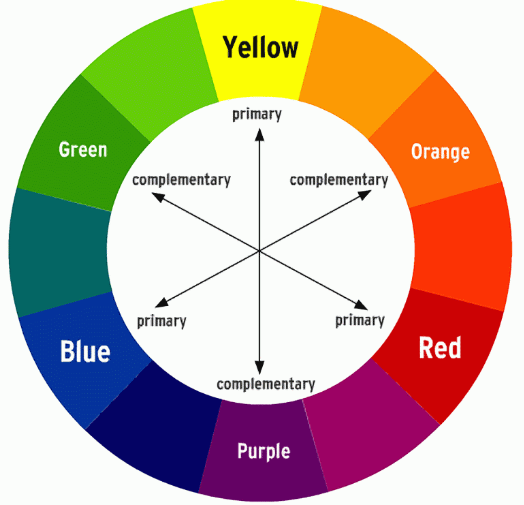
1. Definition
A colour wheel is a circular diagram representing relationships between colors used in landscape and floral design.
2. Importance in Landscaping
Helps in:
- Color harmony
- Contrast creation
- Aesthetic planning
3. Primary Colours
- Red
- Blue
- Yellow
4. Secondary Colours
Formed by mixing primary colours.
| Combination | Secondary Colour |
|---|---|
| Red + Yellow | Orange |
| Yellow + Blue | Green |
| Blue + Red | Violet |
5. Types of Colour Schemes
- Monochromatic Scheme: Different shades of same color
- Analogous Scheme: Adjacent colors in wheel
- Complementary Scheme: Opposite colors used together. Example: Red and green
- Triadic Scheme: Three equally spaced colors
6. Application in Gardens
- Flower bed planning
- Seasonal displays
- Landscape harmony
7. Advantages
- Improves visual appeal
- Avoids color clashes
- Creates balanced landscape design
TEMPLE GARDEN
1. Definition
A temple garden is a garden associated with religious places, especially temples, containing sacred and ornamental plants.
2. Objectives
- Religious use
- Spiritual atmosphere
- Supply flowers and leaves for worship
- Beautification of temple premises
3. Characteristics
- Sacred plants dominant
- Symmetrical layout common
- Calm and peaceful environment
4. Common Sacred Plants
| Plant | Religious Importance |
|---|---|
| Tulsi | Sacred in Hinduism |
| Lotus | Worship flower |
| Bael | Associated with Lord Shiva |
| Ashoka | Sacred ornamental tree |
5. Components
- Pathways
- Water bodies
- Flower beds
- Sacred groves
6. Advantages
- Conserves sacred plant species
- Enhances spiritual environment
- Supports biodiversity
SACRED GROVES
1. Definition
Sacred groves are patches of natural vegetation protected by local communities due to: Religious beliefs, Cultural traditions
2. Characteristics
- Minimal human disturbance
- Rich biodiversity
- Presence of old trees and rare species
3. Importance
- Conservation of biodiversity
- Protection of medicinal plants
- Soil and water conservation
- Preservation of traditional culture
4. Common Sacred Grove Species
| Plant | Importance |
|---|---|
| Banyan | Sacred tree |
| Peepal | Religious significance |
| Neem | Medicinal value |
5. Ecological Importance
- Carbon sequestration
- Habitat for wildlife
- Maintains ecological balance
6. Threats
- Urbanization
- Deforestation
- Religious commercialization
7. Conservation Measures
- Community participation
- Legal protection
- Awareness programs
IMPORTANT EXAM POINTS (REVISION)
- Lawn = green carpet of grasses
- Ideal pH: 5.5–7.0
- Methods: Seeding, Turfing, Dibbling
- Mowing essential for dense growth
- Bermuda grass important warm-season grass
- Top dressing improves lawn quality
- Vertical garden = plants grown on walls
- Roof garden requires waterproofing
- Bog garden designed for marsh plants
- Sunken garden below surrounding ground level
- Vertical gardens improve insulation and air quality
- Roof gardens reduce urban heat effect
- Rock garden imitates natural rocky landscape
- Clock garden uses floral clock design
- Colour wheel important for landscape color harmony
- Temple gardens contain sacred plants
- Sacred groves conserve biodiversity naturally
- Complementary colours are opposite in colour wheel
SOURCES
- Bose & Mukherjee – Gardening in India
- Randhawa, G.S. – Flowering Trees and Gardens
- Bhattacharjee, S.K. – Landscape Gardening and Design
- Singh, A.K. – Ornamental Horticulture
- ICAR – Handbook of Horticulture
- Indian Council of Agricultural Research publications
- NHB Landscaping Guidelines – National Horticulture Board
If you have any doubts or questions about the notes, join our Telegram community @agricorn to get your queries solved, connect with fellow students, and access additional study materials. For PDF notes, feel free to DM me on Instagram (@puspendrps).