
UNIT V: Landscaping and Ornamental Gardening
HORMI-101
Contents
Bio-Aesthetic Planning
Bio-aesthetic planning is an interdisciplinary approach that integrates ecological principles with aesthetic considerations in landscape design. The primary goal is to enhance an area's visual appeal while simultaneously contributing to the conservation of biodiversity, environmental sustainability, and human well-being. This planning technique is particularly relevant in urban and semi-urban environments, where the balance between nature and human development is crucial for creating livable, healthy spaces.

Key Concepts of Bio-Aesthetic Planning
- Integration of Ecology and Aesthetics: Bio-aesthetic planning merges ecological function with artistic design, ensuring that landscapes look good and support local ecosystems. It involves selecting plants and landscaping features that improve the environment (e.g., air and water quality), contribute to biodiversity, and provide aesthetic beauty.
- Sustainability and Environmental Responsibility: A core objective of bio-aesthetic planning is to promote sustainability by using native plants, reducing water usage, minimizing soil erosion, and improving the ecological health of an area. The goal is to create self-sustaining landscapes that require minimal artificial inputs (e.g., irrigation, fertilizers) and maintain their beauty through natural processes.
- Enhancement of Human Well-being: Landscapes designed using bio-aesthetic principles contribute to human well-being by providing recreational spaces, reducing stress, improving mental health, and enhancing the overall quality of life. Green spaces in urban environments are crucial for mitigating the urban heat island effect, reducing pollution, and promoting physical activity.
- Conservation of Biodiversity: Bio-aesthetic planning encourages the use of native flora that supports local wildlife, such as pollinators, birds, and beneficial insects. This contributes to the preservation of biodiversity and the creation of habitats in urban settings. By maintaining natural ecosystems within designed landscapes, planners ensure the conservation of species that might otherwise be displaced by urban development.
Principles of Bio-Aesthetic Planning
- Use of Native and Adaptive Plants: Native plants are central to bio-aesthetic planning because they are adapted to the local environment, require less water, and support local wildlife. These plants are selected not just for their aesthetic qualities but also for their ecological benefits. Where native species cannot be used, adaptive plants that do not harm local ecosystems are chosen to create a resilient and low-maintenance landscape.
- Functional Green Spaces: Landscapes are designed with a functional purpose, such as creating spaces for recreation, pollution control (e.g., through green belts), or water management (e.g., rain gardens). Vegetation can serve practical purposes like reducing noise pollution, providing shade, or acting as windbreaks, while still contributing to the aesthetic quality of the space.
- Green Corridors and Connectivity: In urban areas, bio-aesthetic planning often involves creating green corridors or networks of connected green spaces that allow wildlife to move freely and safely between different habitats. These green corridors also serve recreational purposes for people, offering scenic walking or cycling routes.
- Climate-Specific Design: Plant species and landscape features are selected based on the local climate, ensuring that the design is resilient to extreme weather conditions like droughts or floods. In arid regions, drought-tolerant plants and xeriscaping techniques are used, while in tropical areas, designs might incorporate dense, lush vegetation.
- Aesthetic and Cultural Sensitivity: Bio-aesthetic planning takes into account the cultural significance of plants and landscapes, ensuring that the design resonates with local communities and reflects their identity and values. For example, traditional landscaping elements such as gardens, courtyards, and sacred groves may be integrated into the design to honor local traditions.
Applications of Bio-Aesthetic Planning
- Urban and Suburban Landscapes: Cities and towns can use bio-aesthetic planning to create parks, green belts, and public gardens that improve the quality of life for residents while enhancing the environment. Rooftop gardens, green walls, and community gardens are examples of bio-aesthetic features that contribute to urban sustainability and beauty.
- Roadside and Highway Landscaping: Roadside landscaping can use bio-aesthetic principles to improve the visual appeal of highways while also reducing noise and air pollution. Native trees, shrubs, and ground covers can be planted along roadsides to create green buffers that absorb pollutants and reduce the heat island effect.
- Institutional and Corporate Campuses: Bio-aesthetic planning can be applied in the design of institutional (e.g., schools, hospitals) and corporate campuses, creating green spaces that promote well-being and productivity. These landscapes might include meditation gardens, green courtyards, and functional green spaces for outdoor work or recreation.
- Residential Areas: In residential landscaping, bio-aesthetic principles can be used to create sustainable and visually appealing gardens that contribute to the overall ecological health of the area. Home gardens can incorporate native plants, rainwater harvesting systems, and organic gardening techniques to create eco-friendly and beautiful spaces.
- Industrial Landscaping: Bio-aesthetic planning can also be implemented in industrial areas, where it serves to reduce the visual impact of large-scale infrastructure while improving environmental conditions. Green belts around factories or industrial zones can help filter air pollutants, reduce noise, and provide habitats for wildlife.
Benefits of Bio-Aesthetic Planning
- Environmental Benefits: Improves air and water quality by filtering pollutants. Reduces urban heat island effects through increased vegetation. Supports biodiversity by providing habitats for wildlife. Manages stormwater and reduces erosion through sustainable landscaping practices.
- Aesthetic and Social Benefits: Enhances the visual appeal of spaces, making them more inviting and pleasant. Provides recreational opportunities and spaces for relaxation and social interaction. Reduces stress and improves mental health by creating green, calming environments.
- Economic Benefits: Reduces long-term maintenance costs by using native and drought-tolerant plants that require less water and care. Increases property values through attractive, eco-friendly landscaping. Lowers energy costs by providing natural shade and insulation, especially in urban areas.
Eco-Tourism
Eco-tourism is a form of sustainable travel that focuses on the conservation of natural environments while minimizing the negative impacts on local ecosystems and communities. It promotes responsible travel to natural areas, supports conservation efforts, and fosters an appreciation for biodiversity, culture, and the environment. The goal of eco-tourism is to provide an enriching experience while ensuring the long-term sustainability of the natural resources on which tourism depends.

Key Principles of Eco-Tourism
- Conservation of Natural Resources: Eco-tourism emphasizes the preservation of ecosystems, wildlife habitats, and natural landscapes. Tourists are encouraged to reduce their impact on the environment by following sustainable practices, such as minimizing waste, avoiding wildlife disturbances, and respecting protected areas. It often supports conservation projects, wildlife sanctuaries, and national parks through entrance fees or donations, which are used to fund protection and restoration efforts.
- Cultural Respect and Local Community Engagement: Eco-tourism promotes respect for local cultures and traditions, fostering an understanding of indigenous peoples and their relationship with nature. It supports local economies by involving local communities in tourism activities, providing employment opportunities, and ensuring that the benefits of tourism are shared with residents.
- Low Environmental Impact: Eco-tourism aims to minimize the environmental footprint of tourism activities. This includes promoting energy-efficient transportation, sustainable accommodation, waste reduction, and low-impact tours that respect the integrity of ecosystems. Activities such as hiking, birdwatching, or eco-friendly lodging are encouraged over high-impact tourism activities that can damage the environment.
- Educational Value: A key component of eco-tourism is education, both for visitors and locals. Eco-tourists learn about the environmental, cultural, and historical significance of the areas they visit. Guides and interpretive programs often provide insights into local ecosystems, conservation challenges, and the importance of protecting biodiversity.
Popular Eco-Tourism Destinations and Activities
- Rainforests and Wildlife Reserves: Eco-tourists often visit pristine environments such as tropical rainforests, which offer opportunities for wildlife observation and birdwatching. Destinations like Costa Rica, the Amazon Rainforest, and Madagascar are popular for their rich biodiversity.
- Marine Reserves and Coral Reefs: Marine eco-tourism destinations focus on the protection of marine ecosystems, including coral reefs, mangroves, and marine life. Snorkeling, scuba diving, and sustainable fishing tours are common eco-tourism activities in places like the Great Barrier Reef and the Galápagos Islands.
- National Parks and Protected Areas: National parks are central to eco-tourism, offering opportunities for hiking, camping, and nature observation. Destinations such as Yellowstone National Park (USA), Serengeti National Park (Tanzania), and Banff National Park (Canada) are eco-tourism hotspots that emphasize environmental stewardship.
- Mountain and Desert Ecosystems: Eco-tourists are also drawn to mountain and desert landscapes, where they can experience activities like trekking, mountaineering, and cultural tours. The Himalayas, Andes, and Sahara Desert are popular eco-tourism regions.
Theme Parks
Theme parks are large-scale entertainment complexes that provide recreational activities based on a central theme, often combining amusement rides, attractions, shows, and other entertainment offerings. The concept of theme parks revolves around immersion, where visitors can engage with environments, stories, or characters that are designed to create memorable experiences.
Types of Theme Parks
- Amusement Parks: These parks focus on rides and entertainment attractions, such as roller coasters, ferris wheels, and water slides. Examples include Six Flags and Cedar Point. They often have a more general appeal and may not follow a specific overarching theme.
- Adventure Parks: These parks are centred around outdoor activities and extreme sports. Zip-lining, obstacle courses, rock climbing, and adventure trails are typical attractions in these parks. Examples: Xplor Adventure Park in Mexico and Adventure Island in the USA.
- Water Parks: Water parks specialize in aquatic attractions, including water slides, wave pools, lazy rivers, and splash pads. They are often designed to provide fun for visitors of all ages. Examples: Aquatica (Orlando, USA) and Waterbom Bali (Indonesia).
- Cultural Theme Parks: These parks are designed to reflect cultural, historical, or geographic themes. Visitors can experience different cultures, historical events, or environments in an immersive setting. Examples: Epcot (USA), which showcases different countries, and Tivoli Gardens (Denmark), which blends amusement rides with cultural performances.
- Movie and Entertainment Parks: These parks are based on popular movies, television shows, or entertainment franchises, offering visitors the chance to interact with their favorite characters or explore themed lands. Examples: Universal Studios (USA, Singapore, Japan) and Disneyland (multiple locations).
- Eco and Wildlife Theme Parks: These parks focus on wildlife conservation and environmental education. They combine entertainment with awareness of environmental and conservation issues, often featuring wildlife exhibits, safaris, and eco-friendly attractions. Examples: Disney’s Animal Kingdom (USA) and Safari World (Thailand).
Elements of Theme Park Design
- Theming and Storytelling: The key to a successful theme park is creating an immersive experience through theming and storytelling. Each area of the park is designed to reflect a central theme, often based on a particular time period, culture, or fantasy world. For example, Disneyland’s Fantasyland recreates classic fairy tales, while The Wizarding World of Harry Potter at Universal Studios transports visitors into the world of Harry Potter.
- Rides and Attractions: Rides are the main attractions in theme parks and can range from thrilling roller coasters to family-friendly rides. Modern theme parks also feature immersive 4D experiences, virtual reality rides, and interactive attractions.
- Live Shows and Performances: Many theme parks offer live shows and performances, including musicals, stunt shows, and parades. These performances are designed to entertain visitors and often tie into the park's central theme.
- Dining and Themed Restaurants: Food and beverage options in theme parks are often designed to enhance the immersive experience. Themed restaurants, cafes, and food stalls reflect the park’s overall theme, offering a unique dining experience.
- Merchandise and Souvenirs: Themed gift shops are an essential part of the theme park experience. Visitors can purchase souvenirs, clothing, and other merchandise that reflects the theme of the park or specific attractions.
- Landscaping and Environment: The landscaping of theme parks plays a crucial role in creating an immersive environment. Whether it’s lush gardens, artificial lakes, or elaborately designed walkways, the physical environment is crafted to reflect the theme and enhance visitor experience.
Indoor Gardening
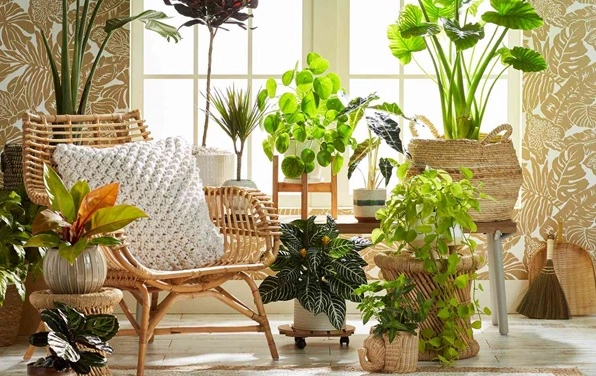
Indoor gardening involves growing plants within a house or building, either for aesthetic, functional, or therapeutic purposes. This type of gardening allows people to cultivate plants indoors, making it accessible year-round regardless of climate or weather conditions. Indoor plants not only enhance the aesthetic appeal of a space but also improve air quality, reduce stress, and promote well-being.
Types of Indoor Gardens
- Houseplants: Common indoor plants include ferns, succulents, orchids, and palms. These plants are chosen for their ability to thrive in low-light conditions, tolerate indoor environments, and provide decorative value.
- Herb Gardens: Many people cultivate herbs like basil, mint, rosemary, and thyme indoors for culinary use. Indoor herb gardens can be grown in small pots on kitchen windowsills or dedicated indoor gardening setups.
- Succulent and Cactus Gardens: Succulents and cacti are popular indoor plants due to their low water requirements and unique shapes. They are often arranged in decorative containers, adding a modern or desert-inspired aesthetic to indoor spaces.
- Aquaponics and Hydroponics: These systems allow plants to grow without soil. In hydroponics, plants are grown in nutrient-rich water solutions, while aquaponics integrates fish farming with plant growth, creating a symbiotic relationship between plants and aquatic life. These methods are ideal for indoor settings and can be used for growing vegetables, herbs, and ornamental plants.
- Vertical Gardens: Vertical gardens, or living walls, are a type of indoor gardening where plants are grown on vertical surfaces using trellises, hanging pots, or hydroponic systems. They are space-efficient and can be an artistic way to incorporate greenery into homes or offices.
Benefits of Indoor Gardening
- Air Purification: Many indoor plants, like spider plants, peace lilies, and snake plants, help purify the air by absorbing toxins such as formaldehyde, benzene, and carbon monoxide. This improves the overall air quality indoors, promoting a healthier environment.
- Improved Humidity: Indoor plants release moisture into the air through a process called transpiration, which can increase humidity levels, making the indoor environment more comfortable, especially in dry climates or during winter months.
- Mental Health Benefits: Research has shown that indoor gardening can reduce stress, anxiety, and depression. Being surrounded by plants and engaging in plant care activities fosters a sense of calm and can improve mood and focus.
- Boost in Productivity: Studies indicate that having plants in indoor workspaces can enhance concentration, creativity, and productivity. Greenery adds to the overall ambiance, making work environments more pleasant and conducive to focus.
- Food Production: Growing herbs, vegetables, or small fruit plants indoors allows people to have fresh, homegrown produce at their fingertips. Indoor herb gardens are particularly popular for those who enjoy cooking with fresh ingredients.
- Enhanced Interior Design: Plants serve as natural decor, adding beauty and life to indoor spaces. They can soften the look of a room, bring natural elements indoors, and create focal points in home design.
Therapeutic Gardening (Horticultural Therapy)
Therapeutic gardening, also known as horticultural therapy, involves using gardening activities to improve mental and physical health. It is often used as a therapeutic intervention in hospitals, rehabilitation centers, nursing homes, and mental health facilities. Gardening can be a calming and meditative activity that enhances well-being and promotes healing.
Key Elements of Therapeutic Gardening
- Physical Rehabilitation: Gardening tasks like digging, planting, pruning, and watering provide physical exercise that can help with strength, coordination, and motor skills. This is especially beneficial for patients recovering from injuries, surgeries, or illnesses. Gardening also offers low-impact exercise for elderly individuals, promoting flexibility, mobility, and endurance.
- Mental and Emotional Health: Therapeutic gardening is effective in managing mental health conditions such as depression, anxiety, PTSD, and dementia. Engaging with plants helps reduce stress, improve mood, and enhance cognitive function. Being in a garden or interacting with plants can have a soothing effect, helping individuals reconnect with nature and find peace.
- Sensory Stimulation: Gardening activates the senses—sight, smell, touch, and even taste—through interaction with plants, flowers, and soil. For individuals with cognitive or sensory impairments, gardening provides a sensory-rich environment that encourages exploration and engagement. The colors, fragrances, and textures of plants can have a therapeutic impact, enhancing emotional responses and triggering positive memories.
- Social Connection: Horticultural therapy programs often involve group activities where participants can engage with others, share experiences, and build relationships. This social aspect of gardening can reduce feelings of isolation and loneliness, particularly for elderly individuals or those in long-term care.
- Empowerment and Achievement: Gardening fosters a sense of accomplishment as participants watch their plants grow and thrive. Successfully nurturing plants from seeds or seedlings gives individuals a feeling of purpose, control, and self-worth, which can be empowering, particularly for those dealing with illness or disability.
- Connection to Nature: Being in a garden setting or engaging with plants helps individuals connect with the natural world. This connection to nature has been shown to reduce stress, lower blood pressure, and promote relaxation, providing both mental and physical health benefits.
Applications of Therapeutic Gardening
- Hospitals and Rehabilitation Centers: Therapeutic gardens in hospitals offer a calming environment for patients, caregivers, and visitors. Patients recovering from surgery, illness, or trauma may participate in horticultural therapy programs to support their rehabilitation process.
- Mental Health Facilities: Gardening is used as part of treatment for individuals with mental health conditions, offering a safe space for relaxation, reflection, and emotional expression. Patients with anxiety, depression, or PTSD often benefit from the calming and grounding nature of gardening.
- Elderly Care and Dementia Support: Gardening is particularly beneficial for elderly individuals, especially those with dementia or Alzheimer’s disease. It stimulates the mind, encourages physical activity, and provides a sense of purpose. Raised beds and adaptive tools make it accessible to people with limited mobility.
- Prisons and Correctional Facilities: Horticultural programs are increasingly used in correctional facilities to provide inmates with skills, responsibility, and a positive outlet. Gardening can reduce stress, encourage reflection, and offer therapeutic benefits in challenging environments.
- Schools and Community Programs: Gardening programs in schools and communities encourage children and adults to learn about plants, sustainability, and nutrition. These programs promote teamwork, responsibility, and an appreciation for the environment.
Benefits of Therapeutic Gardening
- Reduces Stress and Anxiety: Spending time in nature or working with plants has been shown to decrease levels of cortisol, the stress hormone, and promote relaxation.
- Enhances Cognitive Function: Gardening can help improve focus, memory, and problem-solving skills, particularly for individuals with dementia or cognitive impairments.
- Encourages Physical Activity: Gardening offers a range of physical activities, from light to moderate exercise, helping to improve strength, flexibility, and overall fitness.
- Fosters Emotional Well-being: Working with plants provides a sense of accomplishment, helping individuals feel more positive, calm, and empowered.
- Builds Social Connections: Participating in group gardening activities can reduce feelings of isolation and foster a sense of community.
Non-Plant Components in Landscaping
Non-plant components play a crucial role in landscape design, enhancing both the functional and aesthetic appeal of a garden or outdoor space. These elements, often referred to as hardscaping, provide structure, balance, and focal points, complementing the plant materials. Non-plant components include pathways, benches, sculptures, water features, lighting, and more, helping to create a cohesive and visually appealing landscape.
Key Non-Plant Components in Landscaping
- Paths and Walkways: Paths and walkways guide movement through the landscape and can be made from materials like stone, gravel, brick, concrete, or wood. They not only serve a practical purpose but also define the flow of the design. Pathways can be formal (straight lines, geometric shapes) or informal (curved, meandering) depending on the overall garden style.
- Fences and Walls: Fences and walls provide privacy, security, and a backdrop for plantings. They can be made from wood, stone, metal, or brick and can serve as both functional and decorative elements. Walls can be retaining structures that support soil in sloped areas, or they can be ornamental, adding texture and visual interest.
- Pergolas, Gazebos, and Arbors: Pergolas are open structures often used to define seating or dining areas in gardens. They provide partial shade and can support climbing plants like vines. Gazebos are freestanding covered structures, offering shade and a place to relax in the garden. Arbors are smaller, typically used as entrances or transitions between different garden areas, and are also ideal for supporting climbing plants.
- Outdoor Furniture: Benches, chairs, and tables create seating areas for relaxation and socializing. Materials such as wood, metal, wicker, or stone can be selected to suit the garden’s style and climate. Comfortable, well-placed seating encourages people to spend more time outdoors, making the garden more usable.
- Decks and Patios: Decks (typically raised wooden platforms) and patios (paved outdoor areas) serve as transitional spaces between indoor and outdoor environments. They provide areas for outdoor dining, lounging, or entertainment. Materials used for patios include concrete, brick, stone, or tile, while decks are typically constructed from wood or composite materials.
- Sculptures and Garden Art: Sculptures, statues, and other forms of garden art act as focal points, drawing attention and adding personality to the landscape. These can range from classical statues to modern abstract pieces. Art elements can reflect the theme of the garden, such as traditional sculptures in formal gardens or whimsical art in informal or freestyle designs.
- Lighting: Outdoor lighting extends the usability of the landscape into the evening hours and highlights key features of the garden. It also provides safety and security. Types of garden lighting include path lights, spotlights, uplights (to illuminate trees or sculptures), and accent lighting (for architectural features or water elements).
- Bridges: Bridges are both functional and decorative, often used to cross water features like streams, ponds, or dry creek beds. They add an element of interest and a sense of journey in the garden. In Japanese and other Asian garden styles, bridges are significant cultural symbols and key landscape components.
Water Scaping
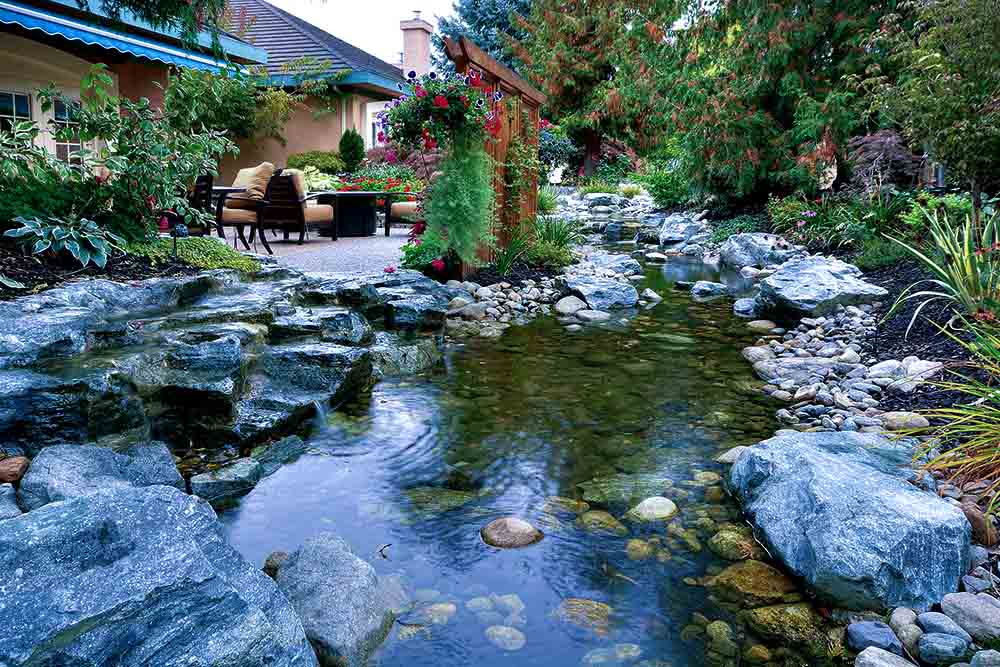
Water scaping, or the inclusion of water features in a landscape, adds a dynamic element to garden designs. Water features can range from simple fountains to elaborate ponds, waterfalls, or streams. Water scaping provides visual interest, soothes with the sound of running water, and attracts wildlife like birds and butterflies.
Types of Water Scaping
- Fountains: Fountains are popular water features in gardens, ranging from small tabletop fountains to large, tiered structures. The gentle sound of trickling water adds tranquility to the landscape. Fountains can be formal (geometrically shaped, often placed at the center of formal gardens) or informal (organic, naturalistic designs).
- Ponds: Ponds are still water features that can be simple or elaborate. They often serve as habitats for fish (like koi), aquatic plants (water lilies, lotus), and other wildlife. Ponds may be designed as formal reflecting pools or naturalistic water bodies, depending on the garden style.
- Waterfalls: Waterfalls add movement and sound to the landscape. They can be naturalistic, mimicking mountain streams, or more formal and architectural in design. Waterfalls are often integrated into ponds or streams, adding a multi-sensory experience to the garden.
- Streams: Artificial streams simulate natural watercourses and can wind through a garden, creating a peaceful, meandering flow. Streams are often used in larger landscape designs and can connect multiple water features like ponds and waterfalls.
- Water Walls: A modern water feature, water walls consist of water flowing down a vertical surface, creating a sleek, contemporary look. These features are ideal for urban and minimalist garden designs and can be made from materials like glass, stone, or metal.
- Reflecting Pools: Reflecting pools are still bodies of water, designed to mirror their surroundings, such as trees, sculptures, or the sky. These pools are often used in formal gardens and can create a serene, meditative atmosphere.
Benefits of Water Scaping
- Aesthetic Appeal: Water features add beauty and visual interest to any garden. The movement and reflection of water create dynamic contrasts with the stillness of the surrounding plants and structures.
- Tranquility: The sound of flowing water has a calming effect, helping to create a peaceful, stress-relieving environment. Water scaping is often used in therapeutic and meditative gardens for this reason.
- Wildlife Habitat: Ponds, streams, and other water features attract wildlife, such as birds, frogs, fish, and insects. This adds a lively, natural element to the garden and supports local biodiversity.
- Temperature Regulation: Water features help cool the surrounding area through the evaporation process, which can make outdoor spaces more comfortable in hot climates.
- Symbolic Importance: In many cultures, water is seen as a symbol of life, purity, and renewal. In landscape design, water features can reflect cultural meanings and traditions, such as in Japanese or Persian gardens.
Design Considerations for Non-Plant Components and Water Scaping
- Balance and Harmony: Non-plant elements should be integrated with plants to achieve balance in the landscape. Hardscaping should complement, not overpower, the greenery. In formal designs, symmetry and proportion are key. In informal or naturalistic designs, elements should blend seamlessly with the environment.
- Sustainability: Water features should be designed with sustainability in mind. Consider using recirculating pumps to conserve water and choosing energy-efficient systems. Rainwater harvesting and greywater systems can be incorporated into water scaping for eco-friendly designs.
- Maintenance: Non-plant components like patios, fountains, and sculptures require regular cleaning and upkeep. Water features, especially ponds and fountains, may need filtration systems to keep water clean and algae-free.
- Accessibility: Pathways, seating, and water features should be designed to ensure accessibility for all, including people with disabilities. Raised beds, ramps, and wide walkways help make the garden inclusive.
- Safety: Water features, especially ponds or streams, should be designed with safety in mind, particularly in residential or public gardens where children or pets are present. Shallow edges or fencing around water features can help prevent accidents.
Xeriscaping
Xeriscaping is a landscaping technique that focuses on water conservation through the use of drought-tolerant plants, efficient irrigation, and water-smart design. Originally developed in arid regions, xeriscaping is now widely used in various climates to reduce water use and create sustainable landscapes.

Key Principles of Xeriscaping
- Planning and Design: Start with a well-thought-out design that takes into account the local climate, soil conditions, and water availability. The goal is to create a landscape that thrives with minimal irrigation. Group plants with similar water needs together (a principle called hydrozoning) to avoid over- or under-watering different areas.
- Soil Improvement: Amend the soil to improve water retention and drainage. Adding organic matter like compost helps the soil hold moisture longer, reducing the need for frequent irrigation. Testing soil quality ensures that plants receive the proper nutrients and that water absorption is optimized.
- Efficient Irrigation: Use efficient irrigation systems such as drip irrigation or soaker hoses that deliver water directly to the plant's root zone, minimizing evaporation and runoff. Water in the early morning or late evening to reduce water loss due to heat and wind. Install rain sensors or smart irrigation controllers that adjust watering schedules based on weather conditions.
- Drought-Tolerant Plants: Choose native and drought-resistant plants that are well-adapted to the local climate. These plants require less water and maintenance once established. Common xeriscape plants include succulents, cacti, lavender, ornamental grasses, and many Mediterranean species.
- Mulching: Use a thick layer of mulch (wood chips, gravel, or organic materials) around plants to reduce evaporation, suppress weeds, and moderate soil temperature. Mulching also helps to improve soil structure and moisture retention over time.
- Reducing Turf Areas: Traditional lawns require large amounts of water. In xeriscaping, turf areas are minimized or replaced with drought-tolerant grasses, ground covers, or hardscaping elements like gravel or paving. Alternatives to turf can include synthetic grass, clover, or wildflower meadows.
- Maintenance: Xeriscaped landscapes require less water but still need regular maintenance, such as pruning, weed control, and monitoring the irrigation system for leaks or inefficiencies. Over time, the landscape will require less intervention as plants become established and resilient.
Benefits of Xeriscaping
- Water Conservation: Significantly reduces water usage by using drought-tolerant plants and efficient irrigation methods.
- Lower Maintenance: Xeriscaped gardens often require less upkeep than traditional gardens, as they are designed to be sustainable with minimal intervention.
- Cost Savings: Reduced water bills and lower maintenance costs make xeriscaping an economical choice for homeowners and businesses.
- Environmental Impact: Xeriscaping helps conserve water, reduce erosion, and create habitats for wildlife such as pollinators and birds.
- Aesthetic Appeal: Xeriscaping can be visually striking, with a mix of textures, colors, and shapes provided by a variety of drought-resistant plants.
Hardscaping
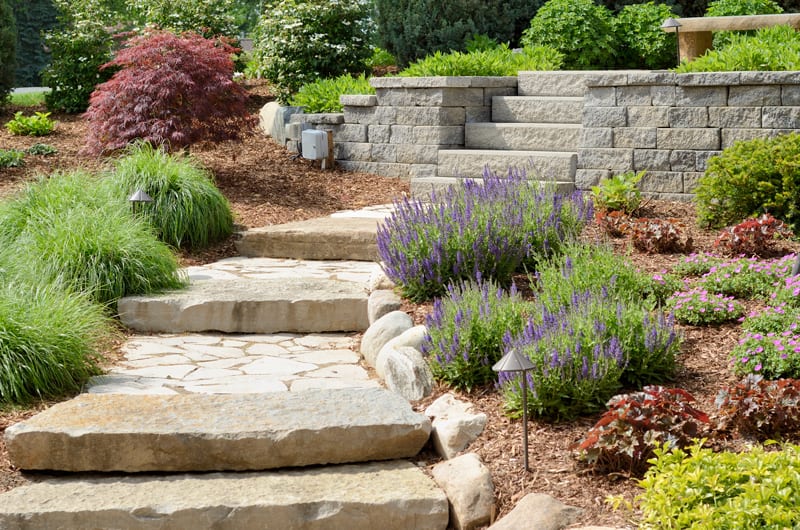
Hardscaping refers to the non-living elements in landscaping, such as pathways, patios, retaining walls, and outdoor structures. These components provide structure, functionality, and aesthetic interest to a garden or outdoor space. Hardscaping is essential for defining areas, creating movement, and adding durability to the landscape.
Key Elements of Hardscaping
- Paving and Pathways: Pavers, stone, brick, gravel, or concrete are commonly used for walkways, patios, and driveways. These materials provide a solid, durable surface for walking or entertaining. Paths and walkways guide visitors through the landscape and help prevent soil compaction and erosion in high-traffic areas.
- Retaining Walls: Retaining walls are used to hold back soil in sloped landscapes, creating level areas for planting, seating, or pathways. These walls can be built from materials like stone, concrete blocks, or brick. Retaining walls also prevent soil erosion and can act as decorative features, adding texture and height to the landscape.
- Patios and Decks: Patios are paved outdoor areas typically made from stone, brick, or concrete, while decks are elevated wooden or composite structures. Both provide spaces for outdoor living and entertainment. Hardscaped patios and decks require minimal maintenance compared to lawns and are durable and weather-resistant.
- Fences and Gates: Fences and gates serve functional purposes, such as providing privacy, security, and boundaries. They can also act as decorative elements that enhance the landscape design. Materials include wood, metal, vinyl, or stone, depending on the style and function of the landscape.
- Pergolas and Gazebos: Pergolas are open structures that provide partial shade and can support climbing plants. Gazebos are freestanding structures that offer full shade and protection from the elements. These features define outdoor living areas and add vertical interest to the landscape.
- Driveways and Parking Areas: Driveways and parking areas are essential hardscaping features for residential and commercial properties. Materials like concrete, asphalt, gravel, or pavers are commonly used. Well-designed driveways can enhance curb appeal and complement the overall landscape design.
- Water Features: While typically considered part of water scaping, fountains, ponds, and waterfalls are also hardscaping elements because they rely on materials like stone, concrete, or metal for construction. Water features add movement and sound, creating a relaxing atmosphere in the landscape.
- Steps and Stairs: Steps and stairs are used in sloped landscapes to provide access between different levels. Materials include stone, concrete, or wood, and they can be designed to blend seamlessly with the surrounding landscape. Well-designed steps add both functionality and aesthetic value, making elevation changes easier to navigate.
- Edging and Borders: Edging materials, such as stone, brick, or metal, are used to define the borders of planting beds, lawns, or pathways. They help prevent grass or mulch from spilling into unwanted areas and give the landscape a clean, finished look.
- Outdoor Kitchens and Fire Pits: Hardscaping can include outdoor kitchens, BBQ areas, or fire pits, which provide functional outdoor living spaces for cooking, dining, and entertainment. These elements are typically made from stone, brick, or metal and are designed to withstand the elements.
Benefits of Hardscaping
- Durability: Hardscaping materials like stone, concrete, and metal are long-lasting and can withstand harsh weather conditions, requiring minimal maintenance.
- Low Maintenance: Unlike plant materials, hardscaping elements don't require watering, pruning, or fertilizing, reducing the upkeep needed in a landscape.
- Functionality: Hardscaping creates usable spaces for outdoor living, dining, recreation, and relaxation. It also improves accessibility in the landscape.
- Erosion Control: Retaining walls, pathways, and other hardscaping features help control soil erosion on sloped or uneven terrain.
- Aesthetic Appeal: Hardscaping adds structure and visual interest to the landscape, complementing the softness of plant materials with contrasting textures and shapes.
Xeriscaping vs. Hardscaping
Xeriscaping focuses on reducing water usage through smart plant selection and water-efficient design, often incorporating naturalistic hardscape elements like gravel and stone.
Hardscaping, on the other hand, emphasizes the use of durable, non-living materials to provide structure and functionality to the landscape.
If you have any doubts or questions about the notes, join our Telegram community @agricorn to get your queries solved, connect with fellow students, and access additional study materials. For PDF notes, feel free to DM me on Instagram (@puspendrps).