
UNIT II: Urban & Specific Situation Landscaping
Urban landscaping, Landscaping for specific situations, institutions, industries, and residents. hospitals, roadsides, traffic islands, dam sites, IT parks, corporates.
Table of Contents
Urban Landscaping
Urban landscaping refers to the design, planning, and management of open spaces in urban areas, including parks, plazas, streetscapes, green roofs, and gardens. Its primary goal is to enhance the aesthetic appeal, environmental health, and functionality of urban spaces. As cities grow and become denser, urban landscaping plays a crucial role in improving the quality of life for residents, fostering environmental sustainability, and mitigating the effects of urbanization, such as pollution and heat island effects.

Key Objectives of Urban Landscaping
- Enhancing Aesthetic Appeal: Urban landscapes contribute to the beauty and visual quality of city environments by integrating greenery, public art, and recreational spaces.
- Environmental Sustainability: Urban landscaping supports biodiversity, reduces air pollution, improves water management, and mitigates the urban heat island effect by incorporating natural elements like trees, shrubs, and water bodies.
- Improving Public Health: Well-designed urban landscapes provide places for exercise, relaxation, and social interaction, which improve physical and mental health.
- Economic Benefits: Attractive urban landscapes increase property values, promote tourism, and stimulate local economies by creating vibrant public spaces.
- Community Building: Urban landscapes foster social cohesion by providing communal spaces for gatherings, events, and recreational activities, strengthening neighborhood identities.
- Climate Resilience: Urban landscaping can help cities adapt to climate change by managing stormwater runoff, reducing flooding, and cooling urban areas through vegetation.
Elements of Urban Landscaping
Parks and Green Spaces:
Urban parks and green spaces provide areas for recreation, relaxation, and environmental benefits. These spaces include lawns, flower beds, trees, playgrounds, sports fields, and walking paths. Examples: Central Park (New York), Hyde Park (London), and Cubbon Park (Bangalore).
Street Trees and Streetscapes:
Trees along streets improve air quality, provide shade, reduce heat, and enhance the beauty of urban areas. Streetscapes may include benches, lighting, and wide walkways to encourage walking aind biking.
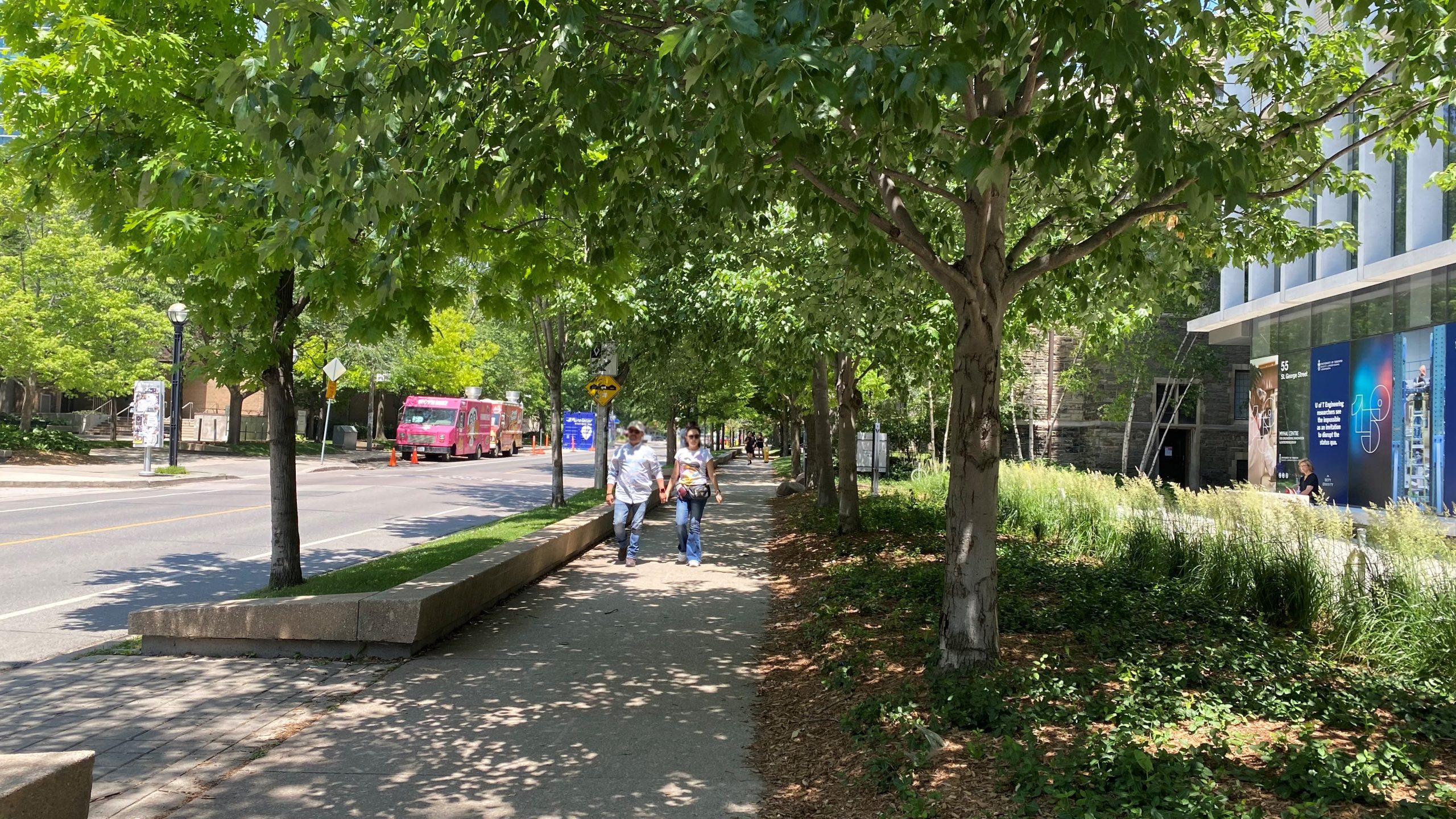
Green Streets: Streets designed to manage stormwater runoff through vegetation and permeable surfaces.
Plazas and Public Squares:
Plazas serve as gathering spaces for events, markets, and social activities. They are often designed with seating, water features (fountains), and public art. Examples: Times Square (New York), Trafalgar Square (London), and Plaza Mayor (Madrid).
Green Roofs and Vertical Gardens:
- Green Roofs: Rooftops covered with vegetation that reduce energy consumption, lower building temperatures, absorb rainwater, and improve air quality.
- Vertical Gardens: Wall-mounted gardens that add greenery to urban areas where ground space is limited. Examples: Bosco Verticale (Milan) and One Central Park (Sydney).
Water Features:
Water elements like fountains, ponds, streams, and rain gardens enhance aesthetics, improve air quality, and promote biodiversity in urban settings. They also help with stormwater management. Examples: Buckingham Fountain (Chicago) and Dubai Fountain (Dubai).
Playgrounds and Sports Areas:
Urban landscaping often includes spaces for physical activity, such as playgrounds, sports fields, and outdoor gyms, to encourage fitness and recreational activities for all age groups.
Green Infrastructure:
Green infrastructure incorporates natural systems into urban environments to improve ecological health and manage stormwater. Examples include rain gardens, bioswales, and permeable pavements.
Types of Urban Landscaping
- Public Parks and Gardens: Large open spaces designed for public use, offering recreational activities like walking, jogging, sports, and picnics. They provide ecological benefits by supporting wildlife and biodiversity.
- Urban Plazas and Courtyards: Open public spaces surrounded by buildings, often located in city centers or commercial areas. These areas are designed for relaxation, socializing, and cultural events.
- Green Roofs and Roof Gardens: Rooftop gardens that provide green space in urban environments while contributing to energy savings, stormwater management, and air purification.
- Botanical Gardens: Specially curated gardens that showcase a variety of plant species, often for educational, conservation, and research purposes.
- Waterfront Landscaping: Urban landscapes along rivers, lakes, or coastlines that enhance water access for the public, improve flood resilience, and offer recreational activities. Examples: The Marina Bay Waterfront Promenade (Singapore), The Riverwalk (San Antonio), and Thames Path (London).
- Community Gardens: Small urban plots maintained by community members for growing vegetables, fruits, and flowers. These gardens foster social interaction and promote sustainable urban agriculture.
Principles of Urban Landscaping
- Sustainability: The design should prioritize the use of native plants, green infrastructure, and materials that reduce the environmental footprint.
- Functionality: Urban landscapes must serve practical purposes, including recreational activities, stormwater management, and creating shaded walkways.
- Aesthetic Value: The design must be visually appealing, contributing to the beauty of urban spaces and enhancing the city’s identity.
- Biodiversity: Urban landscapes should support wildlife by incorporating plant species that attract birds, insects, and other beneficial organisms.
- Accessibility: Public spaces should be accessible to all, including people with disabilities. Walkways, seating, and facilities must be user-friendly.
- Climate Adaptation: The design should incorporate features like drought-tolerant plants, rainwater harvesting systems, and permeable pavements to help cities adapt to climate change.
Challenges in Urban Landscaping
- Space Constraints: Urban areas often have limited available space for green areas due to dense construction and competing land uses.
- Maintenance: Ensuring regular maintenance of green spaces can be difficult and costly, especially in areas with limited resources.
- Pollution: Air, water, and soil pollution in cities can impact the health of plants and limit the effectiveness of urban landscaping.
- Urban Heat Island Effect: Urban areas can be significantly warmer than rural areas due to the concentration of buildings and roads. Urban landscaping must address this challenge by incorporating shade trees and reflective surfaces.
- Water Management: Proper irrigation and stormwater management systems must be in place to ensure that urban landscapes can thrive without wasting water.
Benefits of Urban Landscaping
- Environmental Benefits: Improved air quality by reducing pollutants and providing oxygen through plants. Mitigates the urban heat island effect by cooling city environments through vegetation. Reduces stormwater runoff and the risk of flooding by increasing permeable surfaces.
- Social and Health Benefits: Provides spaces for recreation, relaxation, and social interaction, improving community well-being and mental health. Encourages physical activity and reduces stress through access to green spaces.
- Economic Benefits: Enhances property values and attracts businesses, residents, and tourists. Creates jobs in landscaping, maintenance, and environmental services.
Landscaping for specific situations
Landscaping for Institutions
Institutions such as schools, universities, hospitals, and government buildings require landscape designs that reflect their specific purposes, enhancing functionality, aesthetics, and user experience.
A. Educational Institutions (Schools and Universities)
Objective: Create stimulating, functional, and safe outdoor environments for learning, recreation, and social interaction.
- Outdoor Learning Spaces: Amphitheaters, garden classrooms, and shaded study areas allow for outdoor learning experiences. Botanical and vegetable gardens can be used for educational purposes, teaching students about plants and sustainable practices.
- Recreational and Play Areas: For schools, create safe, interactive play areas with soft ground covers (rubber or grass) and ample space for sports. Universities may benefit from sports fields, walking trails, and social spaces like open courtyards and gardens.
- Shade and Seating: Incorporate shaded seating areas around campus using trees, pergolas, or covered benches to create comfortable spaces for relaxation and study.
- Sustainability and Native Plants: Use native and drought-tolerant plants to reduce water use and maintenance. This promotes sustainability and provides learning opportunities for environmental education.
- Paths and Connectivity: Well-designed pathways should connect key areas of the campus and encourage walking or cycling. These paths should be safe, well-lit, and accessible.
B. Healthcare Institutions (Hospitals, Clinics)
Objective: Create calming and therapeutic outdoor spaces that aid in patient recovery and provide tranquil environments for visitors and staff.
- Healing Gardens: Design serene, reflective spaces with seating, fountains, and native plants. These areas help reduce stress for patients and families. Sensory gardens with fragrant flowers and textured plants offer therapeutic benefits, particularly for rehabilitation.
- Accessible Walkways: Ensure that paths are wide, smooth, and wheelchair-accessible, allowing patients, staff, and visitors to navigate the outdoor spaces easily.
- Water Features: Small fountains or reflective ponds add a calming, soothing effect, helping create a peaceful atmosphere for those in recovery.
- Outdoor Seating: Provide shaded seating areas where visitors and staff can relax, encouraging brief breaks or moments of solitude.
C. Government and Public Institutions
Objective: Create dignified, formal, and functional spaces that reflect the importance of the institution and serve the needs of employees, visitors, and the public.
- Formal Gardens: Symmetrical designs, manicured lawns, and stately trees give public institutions like courthouses or city halls a formal and grand appearance.
- Memorial and Reflection Spaces: Public plazas or memorial gardens often include statues, monuments, and reflective water features, combined with plantings that encourage quiet contemplation.
- Public Spaces and Seating: Government buildings often have open courtyards, green lawns, and shaded seating for public gatherings or ceremonies.
- Security Features: Landscaping can integrate security elements like bollards disguised with planters, and strategically placed trees or walls can help manage crowds and secure building perimeters.
Landscaping for Industries
Industrial landscaping focuses on balancing functionality with environmental sustainability, improving the aesthetics of large buildings, and supporting employee welfare.
A. Factories and Warehouses
Objective: Create an environmentally friendly and visually appealing landscape around industrial facilities to enhance the working environment and improve the image of the industry.
- Green Buffers: Use large trees, shrubs, and berms to act as visual buffers and noise barriers, helping screen the industrial buildings from nearby residential or commercial areas. Green buffers can also help absorb pollutants and improve air quality.
- Rainwater Management: Incorporate bioswales, retention ponds, and rain gardens to manage stormwater runoff, reducing flood risks and protecting local water quality.
- Employee Rest Areas: Design landscaped break areas with picnic tables, benches, and shaded seating where employees can relax during their breaks.
- Parking Lot Landscaping: Use trees and native plants around parking lots to provide shade, improve aesthetics, and help with stormwater management.
B. Corporate Campuses
Objective: Create a productive, aesthetically pleasing environment that promotes employee well-being and reflects the corporate brand image.
- Outdoor Meeting Spaces: Design patios or gardens with seating areas where employees can hold informal meetings, collaborate, or take breaks outdoors. Wi-Fi access in outdoor areas encourages employees to work in nature, boosting creativity and productivity.
- Walking Paths and Fitness Trails: Incorporate walking trails or fitness loops to encourage physical activity during the workday. These trails can be lined with trees, flowering plants, and art installations to enhance the experience.
- Water Features: Fountains or ponds add a calming influence and can serve as central focal points in the landscape.
- Sustainability Practices: Green roofs, solar panels, and native plantings can help make corporate landscapes more eco-friendly. Corporate campuses should aim for sustainability, using low-water plants and energy-efficient features.
Landscaping for Residential Areas
Landscaping for residential areas is focused on creating comfortable, beautiful, and functional outdoor spaces for homeowners, emphasizing privacy, entertainment, and sustainability.
A. Urban Residential Landscaping
Objective: Design outdoor spaces that maximize utility, privacy, and aesthetic value in often limited space.
- Small Gardens and Courtyards: Use vertical gardens, container planting, and raised garden beds in small yards or courtyards. These allow for maximum use of space while providing greenery.
- Privacy and Screening: Incorporate hedges, trees, or trellises with climbing plants to provide privacy from neighbors or street views, especially in densely packed urban environments.
- Sustainable Practices: Rainwater harvesting systems, permeable pavers, and drought-tolerant plants can help manage water use, especially in areas prone to droughts.
- Roof Gardens: For homes with limited yard space, green roofs or rooftop gardens can be used to grow plants, vegetables, or even small lawns. These spaces offer relaxation areas while improving insulation.
B. Suburban Residential Landscaping
Objective: Design landscapes that enhance outdoor living, improve curb appeal, and meet the diverse needs of homeowners.
- Lawns and Gardens: Suburban homes often have more space, allowing for larger lawns, flower gardens, or vegetable patches. Low-maintenance, drought-resistant plants are becoming increasingly popular.
- Outdoor Living Areas: Patios, decks, or pergolas extend the living space outdoors, providing areas for dining, relaxation, and entertaining. Adding fire pits or outdoor kitchens can further enhance functionality.
- Play Areas: Design safe, open spaces for children to play. Soft surfaces like grass, rubber mulch, or sand can be used under swings or playsets.
- Water Features: Ponds, fountains, or small water features can create a soothing environment while adding beauty to the landscape.
C. Large Estates and Country Homes
Objective: Create expansive, elegant landscapes that blend with natural surroundings and provide recreational opportunities.
- Naturalistic Design: Large estates often incorporate meadows, ponds, or woodland areas to blend with the natural environment. This can reduce maintenance costs and enhance biodiversity.
- Formal Gardens: Some estates may include formal gardens with geometric designs, boxwood hedges, and grand fountains, adding a sense of elegance and grandeur to the property.
- Recreational Spaces: Design tennis courts, swimming pools, or expansive lawns for recreational use. Large properties may also include walking trails or stables for horseback riding.
- Orchards and Vegetable Gardens: Country homes with large gardens often have orchards or vegetable patches for self-sustaining living. Raised garden beds, composting areas, and water-saving irrigation systems are common.
Hospital Landscaping
Hospitals are institutions that cater to the health and recovery of patients. Landscaping in such environments focuses on creating soothing, therapeutic, and functional spaces that aid in recovery while providing comfortable areas for visitors and staff.
A. Healing and Therapeutic Gardens
Objective: Provide a calming and stress-relieving environment that aids in the physical and mental healing of patients.
- Healing Gardens: Healing gardens are quiet, serene spaces designed with elements that promote relaxation and reduce anxiety. These may include seating areas, water features, and carefully selected plantings. Soft textures, calming colors (e.g., shades of green, blues, and pastels), and fragrant flowers like lavender or jasmine can promote relaxation. Elements like walking paths, benches, and gazebos offer peaceful spaces for meditation and rest.
- Sensory Gardens: These gardens include plants with varying textures, fragrances, and colors, stimulating the senses in a therapeutic way. Ideal for rehabilitation patients, sensory gardens can be designed with tactile elements like smooth stones, soft grasses, and fragrant herbs.
- Water Features: Fountains or ponds can enhance the tranquility of the landscape, providing a calming sound that helps alleviate stress for patients, visitors, and staff.
B. Functional Design Elements
Objective: Ensure the landscape is functional, safe, and accessible for all users, including patients, visitors, and healthcare workers.
- Accessible Pathways: Ensure pathways are wide, smooth, and wheelchair accessible, with handrails if needed. Provide clear directional signage to help visitors navigate large hospital campuses. Use non-slip materials and avoid sharp turns, slopes, or rough surfaces that may be difficult for those with mobility challenges.
- Shaded Seating Areas: Shaded benches and covered seating provide comfortable outdoor spaces for patients and visitors. Trees or pergolas can be used to create natural shade. Consider installing seating areas near entrances, waiting areas, and along pathways to encourage outdoor use.
- Therapeutic Plant Selection: Use low-allergen, low-maintenance plants to avoid triggering allergies or causing extra work for maintenance teams. Evergreen plants, ornamental grasses, and flowering shrubs are ideal as they provide year-round interest and require minimal upkeep.
C. Green Spaces for Hospital Staff
Objective: Create spaces where hospital staff can take breaks, recharge, and relieve stress during demanding work shifts.
- Quiet Rest Areas: Separate rest areas or garden spaces specifically designed for hospital staff can offer much-needed respite. These areas may include picnic tables, benches, and quiet spots away from patient areas.
- Fitness Paths: Walking paths or jogging trails within hospital grounds can promote physical activity for staff during breaks. These should be surrounded by trees and vegetation to offer a peaceful, relaxing environment.
Roadside Landscaping
Landscaping along roadsides plays a crucial role in improving road aesthetics, reducing environmental impact, and enhancing safety. Well-designed roadside landscapes can also help control stormwater runoff, reduce erosion, and create visual barriers that help reduce distractions for drivers.
A. Safety Considerations
Objective: Ensure that roadside landscaping enhances driver safety and does not obstruct views or cause distractions.
- Clear Zones: Maintain clear sightlines along roadsides by avoiding large trees or dense shrubs near intersections, driveways, or curves in the road. This helps drivers see pedestrians, other vehicles, and road signs more easily. Avoid planting large, brittle trees near roads to prevent hazards from falling branches during storms.
- Low-Maintenance Plantings: Use drought-tolerant, low-maintenance plants that require minimal watering or trimming, especially in highway medians or areas with limited access. Native grasses, groundcovers, and wildflowers are ideal for roadside landscapes, as they are hardy and can thrive with little maintenance.
B. Environmental Benefits
Objective: Utilize landscaping to improve environmental quality by controlling stormwater, reducing pollution, and enhancing biodiversity.
- Stormwater Management: Bioswales and rain gardens can be installed alongside roads to capture and filter stormwater runoff. These areas allow water to percolate into the ground while preventing flooding and reducing pollutants from entering nearby water bodies.
- Erosion Control: Planting ground covers, grasses, and shrubs with deep root systems helps stabilize soil and prevents erosion along road embankments, especially on slopes or in areas prone to heavy rainfall.
- Noise and Air Pollution Buffering: Trees and dense plantings can act as buffers, reducing noise pollution from traffic and absorbing air pollutants like carbon dioxide, nitrogen oxides, and particulate matter. This is especially important in urban or high-traffic areas.
C. Aesthetic and Visual Appeal
Objective: Improve the visual quality of roadsides and enhance the experience for drivers and pedestrians.
- Flowering Plants and Trees: Incorporating flowering plants like wildflowers, bulbs, or small trees (e.g., cherry or magnolia) can beautify roadsides, especially in residential or commercial areas. Seasonal color changes in the landscape (e.g., autumn foliage or spring blooms) provide visual interest and enhance the driving experience.
- Green Corridors: Create "green corridors" along major roads or highways by planting trees and shrubs in long, continuous stretches. These corridors can provide habitats for wildlife while also enhancing the visual appeal of the roadway.
Traffic Island Landscaping
Traffic islands are small, often overlooked spaces that can be transformed into attractive and functional green areas. Properly landscaped traffic islands can reduce traffic accidents, improve air quality, and provide visual breaks in the urban landscape.
A. Safety and Visibility
Objective: Ensure that traffic island landscaping does not obstruct driver visibility or create hazards.
- Low-Growing Plants: Use low-growing groundcovers, grasses, or small shrubs that will not block the view of oncoming traffic or pedestrians. Avoid using large bushes or trees that could obscure road signs or traffic lights. Ideal plants include ornamental grasses, perennials like daylilies, and small flowering shrubs like dwarf roses.
- Hardscape Elements: Consider adding hardscape elements like low stone walls, bollards, or reflective features that enhance visibility, especially at night. Use non-slippery materials like stone or concrete for walkways if traffic islands are large enough for pedestrian crossings.
B. Low-Maintenance Design
Objective: Reduce the maintenance burden for traffic islands, which are often difficult to access and care for.
- Drought-Tolerant Plants: Select drought-tolerant, hardy plants that require minimal watering, pruning, or fertilization. Succulents, native grasses, and hardy perennials are excellent choices for traffic islands, particularly in hot or dry climates.
- Permeable Surfaces: Use permeable materials such as gravel or mulch to cover the soil, which helps retain moisture and reduces the need for frequent watering.
C. Aesthetic Enhancement
Objective: Enhance the visual appeal of traffic islands to improve the aesthetics of urban or suburban areas.
- Colorful Flowers and Grasses: Choose plants that provide year-round color and texture. Ornamental grasses like fountain grass or blue fescue, combined with seasonal flowers like marigolds or petunias, can create a vibrant display.
- Public Art and Sculptures: Traffic islands in prominent locations can feature public art, sculptures, or monuments to provide a visual focal point and enhance the area's cultural or historical significance.
Dam Sites, IT Parks & Corporate Campuses
Dam Sites Landscaping
Landscaping at dam sites serves multiple functions—stabilizing the environment, protecting the ecosystem, and enhancing the aesthetic appeal of a typically industrial space. It must address the unique challenges posed by large water bodies, fluctuating water levels, and the need for erosion control.
A. Environmental and Erosion Control
Objective: Stabilize soil and prevent erosion due to water flow, ensuring the longevity of the landscape and the dam infrastructure.
- Riparian Buffers: A vegetated area (buffer) along the dam's water edges can reduce erosion and filter runoff. Native grasses, shrubs, and trees with deep root systems should be used to stabilize the soil. Trees like willows, cottonwoods, and shrubs such as dogwood and alder are ideal for riparian areas as they tolerate wet soils and reduce erosion.
- Grass and Ground Cover: Grasses or groundcovers should be planted on dam slopes and spillways to prevent soil erosion. Native grass species like fescue or Bermuda grass can provide ground cover that withstands changing water levels. These plants should be drought-tolerant and able to handle both wet and dry conditions, reducing the need for irrigation.
B. Functional and Aesthetic Design
Objective: Create a functional landscape that also enhances the visual appeal of the dam area, making it accessible for recreation, education, or tourism.
- Recreational Areas: Dam sites often attract visitors for recreational activities like walking, fishing, and boating. Landscaped walking paths, shaded seating areas, and picnic spots can improve the user experience. Use local stones, timber, or environmentally friendly materials to construct seating areas, shelters, or observation decks.
- Viewing Points and Gardens: Create viewing platforms or terraces with seating to provide panoramic views of the dam and surrounding landscape. These areas can be planted with low-maintenance shrubs and trees that frame the view without obstructing it. Flower gardens, using native wildflowers, can provide seasonal interest and create vibrant, visually appealing spaces for visitors.
C. Native Planting for Ecological Balance
Objective: Promote biodiversity and ecological health by using native plants that support local wildlife and are adapted to the dam’s environment.
- Wetland Plantings: Wetlands often form around dams and can be landscaped to include native wetland plants like reeds, rushes, and cattails, which filter water and provide habitat for birds and amphibians. Aquatic plants like water lilies or floating vegetation can enhance the visual appeal while providing a habitat for aquatic life.
- Wildlife Habitats: Planting native species that support birds, insects, and small mammals can increase biodiversity around dam sites. Wildflower meadows and woodland borders can attract pollinators, such as bees and butterflies, enhancing the ecosystem.
IT Parks Landscaping
IT parks are hubs of technology and innovation, where landscaping is often designed to promote productivity, sustainability, and employee well-being. The landscape should reflect modern, cutting-edge design while incorporating elements that reduce environmental impact and offer functional spaces for relaxation and recreation.
A. Green and Sustainable Design
Objective: Incorporate sustainability into the landscape design to reduce energy use, improve air quality, and manage stormwater.
- Green Roofs and Walls: Green roofs and vertical gardens help to insulate buildings, reducing energy costs and improving air quality. They can also be visually appealing, turning otherwise unused spaces into attractive greenery. Native plants that require minimal irrigation and can thrive in urban environments should be prioritized.
- Stormwater Management: Bioswales, rain gardens, and permeable paving can be used to manage rainwater runoff and reduce the urban heat island effect. Use drought-tolerant, native plants in rain gardens to capture and filter rainwater, reducing strain on local water systems.
B. Functional Spaces for Employees
Objective: Create outdoor spaces that encourage relaxation, creativity, and physical activity for employees.
- Outdoor Workspaces and Seating: Landscaped courtyards or rooftop gardens can serve as outdoor workspaces where employees can work, have meetings, or take breaks. These spaces should include Wi-Fi access, seating, and shaded areas. Seating areas can be placed in shaded zones with trees like maples or oaks providing natural canopies, or pergolas can be installed to create shaded retreats.
- Recreational and Fitness Areas: Walking trails, fitness zones, and green spaces for yoga or meditation offer employees a way to stay active and reduce stress. These areas should be planted with trees and low-maintenance grasses that enhance the sense of relaxation. Green amphitheaters or open lawns can serve as multi-use spaces for corporate events or informal gatherings.
C. Aesthetic Appeal and Brand Identity
Objective: Use landscape design to reflect the modern, innovative identity of the IT park and create a professional yet welcoming environment.
- Contemporary Landscape Design: Use clean, modern lines in hardscape design, incorporating sleek materials like steel, glass, and concrete to complement the futuristic architecture of IT park buildings. Sculptural plantings, such as clipped hedges or artistic arrangements of ornamental grasses, can provide visual interest without overwhelming the space.
- Brand Integration: Landscape elements can be designed to reflect the company’s brand identity. For example, logos can be integrated into hardscapes or planters, and color schemes can match corporate colors through plantings of flowers or foliage in those shades.
Corporate Campus Landscaping
Corporate campuses often require a blend of formal design for their corporate image and inviting green spaces that improve employee satisfaction and productivity. The landscaping should enhance the functionality of the site while also creating a sense of community and engagement.
A. Formal and Functional Design
Objective: Reflect the company’s professionalism and values while ensuring the landscape meets the practical needs of employees and visitors.
- Formal Gardens and Plazas: Corporate campuses often include formal garden designs with symmetrical layouts, clipped hedges, and geometric patterns to reflect professionalism. These formal spaces are ideal for high-traffic areas like main entrances or courtyards. Plazas and entryways should be framed with carefully selected trees, such as columnar oaks or palms, to make an immediate impact.
- Wayfinding and Signage: Use landscaped areas to define pathways and guide visitors and employees through the campus. Decorative trees and shrubs can line walkways, while flowers or ground covers can highlight signage areas.
B. Employee-Centric Green Spaces
Objective: Provide green spaces that improve employee well-being, encouraging relaxation, social interaction, and creativity.
- Relaxation Zones: Landscaped zones with comfortable seating, shade, and privacy screens (e.g., tall grasses, trees, or shrubs) can serve as informal relaxation spaces. These areas should feel inviting and accessible for all employees. Water features, like small fountains or reflecting pools, can enhance these spaces by creating a tranquil atmosphere.
- Collaborative Outdoor Spaces: Outdoor meeting spaces or amphitheaters encourage team collaboration in natural surroundings. These areas can be shaded by large trees or designed as green courtyards with seating areas and tables for group discussions.
C. Sustainability and Environmental Responsibility
Objective: Showcase corporate responsibility by integrating sustainability into the landscape design.
- Renewable Energy Integration: Solar panels or wind turbines can be aesthetically integrated into the landscape to power campus facilities, emphasizing environmental responsibility.
- Native Plantings and Habitat Creation: Use native plants to reduce water use and provide habitats for local wildlife. Pollinator gardens with bees and butterflies can be an additional ecological benefit to the landscape.
- Low-Maintenance Lawns and Meadows: Replace traditional lawns with low-maintenance meadows or wildflower areas that require less mowing and irrigation. These areas can still offer aesthetic appeal while being more sustainable.
If you have any doubts or questions about the notes, join our Telegram community @agricorn to get your queries solved, connect with fellow students, and access additional study materials. For PDF notes, feel free to DM me on Instagram.