
UNIT V: Nursery Operations & Management
Nursery - types, structures, components, planning and layout. Nursery management practices for healthy propagule production.
Table of Contents
NURSERY – INTRODUCTION
Definition
A nursery is a place where plants are propagated, raised and maintained until they are ready for field planting.
A nursery is a place where young plants, particularly fruit crops, are propagated, grown, and nurtured until they are ready for planting in the field. The nursery serves as a crucial component in the production of quality planting material for fruit crop cultivation.
Importance
- Supply of quality planting material
- Maintains genetic purity
- Ensures uniform crop stand
- Reduces field mortality
Types of Nurseries
- Propagation Nursery:
This type of nursery is specifically focused on the initial stages of plant growth, where seeds, cuttings, grafts, and other propagation materials are grown into healthy, viable plants. It includes various methods like seed sowing, grafting, budding, and other vegetative propagation techniques. - Mother Plant Nursery:
This nursery is dedicated to growing healthy mother plants that will provide cuttings, grafts, or scions for future propagation. The quality of the material taken from these plants is critical to the overall success of fruit crop propagation. - Field Nursery:
In this type of nursery, plants are grown in the open field for a longer period until they are ready for transplantation. This is often used for larger scale fruit crop production when seedlings or rooted plants are raised to a certain size. - Shade Nursery:
Used for the protection of young plants from direct sunlight, providing an environment that reduces stress on seedlings. This type of nursery is especially important for sensitive crops like tropical fruits that cannot withstand intense sunlight during the early stages of growth. - Hydroponic Nursery:
A nursery where plants are grown without soil, using water-based nutrient solutions. This method can be used for propagating plants in areas with poor soil quality or where traditional soil-based nurseries are not feasible. - Container Nursery:
Plants are grown in containers such as pots, trays, or bags. This method offers flexibility in managing plant growth conditions, especially in urban or space-limited areas. It allows for better control over soil, water, and nutrients, making it suitable for sensitive fruit species.
Nursery Structures
- Greenhouse:
A controlled environment structure made of transparent material (usually glass or plastic) that allows sunlight to reach the plants while providing protection from harsh weather. It helps in maintaining optimal temperature, humidity, and light levels, which is especially important for tropical fruit crops or out-of-season production.A controlled environment Greenhouse structure. - Shade Net House:
A structure covered with shade nets that reduce sunlight intensity to create a cooler, protected environment for young plants. It is often used for nurseries growing crops sensitive to direct sunlight, providing 30-70% shade depending on the crop requirements.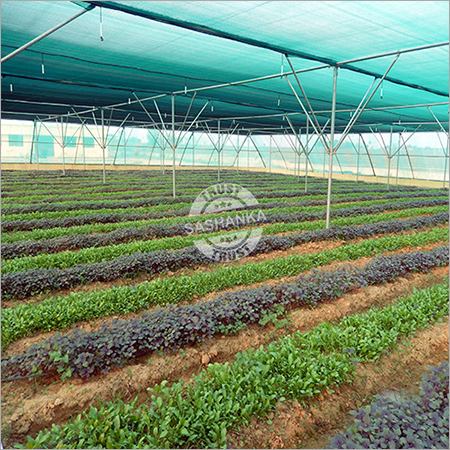 Shade Net House for light intensity reduction.
 - Cold Frames:
Low, enclosed structures with transparent tops that are used to protect young plants from cold weather. They provide a warm environment for seedlings during the winter months, allowing early sowing or extending the growing season. - Polyhouse:
A type of greenhouse made from polyethylene, which is more affordable and widely used in areas with varied climatic conditions. Polyhouses are used for the propagation and cultivation of fruit crops in controlled environments, especially where temperature regulation is required. - Mist Chamber:
A structure used to provide a high humidity environment, typically through misting systems, which is ideal for rooting cuttings or grafts. It helps in promoting root growth by maintaining moisture around the cuttings, crucial for successful vegetative propagation.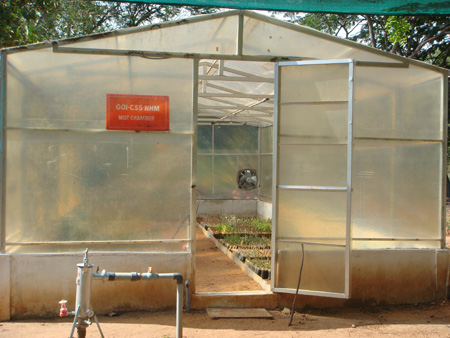 Mist Chamber for maintaining high humidity.
 - Hotbed:
A structure that uses heat generated from decomposing organic matter or electric heaters to maintain a warm environment. It is used to accelerate seed germination or rooting of cuttings in cool climates.

• Ventilation: Proper airflow to prevent fungal growth and to maintain a balance of temperature and humidity.
• Watering System: Irrigation systems like drip irrigation or misting are essential for maintaining proper moisture levels.
• Lighting: Controlled light systems or shade provisions to protect plants from overexposure to sunlight while ensuring sufficient light for growth.
• Soil Management: Good quality, disease-free soil or growing medium is crucial for nursery success, especially in container or hydroponic nurseries.
• Pest and Disease Control: Regular monitoring and the use of organic or chemical pest control methods ensure plant health in the nursery.
Components of a Nursery
A nursery comprises several essential components that work together to support the healthy growth and development of young plants, including those for fruit crops. These components ensure optimal conditions for propagation and nursery management.
1. Soil or Growing Medium
- Soil: The foundation for plant growth in open-field nurseries, should be fertile, well-drained, and free from diseases. The soil is often amended with organic matter or fertilizers to improve its quality.
- Growing Medium: In container or hydroponic nurseries, a mixture of soil, sand, peat, and other organic materials is used. This medium provides support and nutrients for plant roots.
- Hydroponic Substrates: For hydroponic nurseries, non-soil mediums like perlite, vermiculite, or coconut coir are used, providing a stable environment for roots while allowing for easy nutrient and water uptake.
2. Water Supply and Irrigation System
Water is one of the most critical factors in a nursery. The supply should be clean, free from pollutants, and adequate for the needs of the plants.
- Drip Irrigation: Provides precise water delivery to the root zone, conserving water and preventing excess moisture around the plant.
- Sprinkler Irrigation: Used in field nurseries for even water distribution.
- Misting Systems: Especially important for propagating cuttings or maintaining humidity in nurseries with sensitive crops.
3. Shade and Protection Systems
- Shade Netting: Protective mesh materials are used to provide a controlled light environment for plants. Shade nets may block 30-70% of sunlight, depending on the crop's needs.
- Greenhouses: Offer a controlled environment, protecting plants from extreme weather conditions and pests while maintaining optimal growing conditions.
- Cold Frames and Polyhouses: These structures help to regulate temperature and provide shelter during the colder months.
4. Temperature and Humidity Control
Proper temperature and humidity levels are crucial for the growth of seedlings and young plants.
- Ventilation: Essential in controlling both temperature and humidity. This includes natural ventilation (e.g., vents in greenhouses) or mechanical ventilation (e.g., exhaust fans).
- Temperature Regulation: Heating or cooling systems are used in more advanced setups, such as greenhouses, to ensure plants are not stressed by extreme temperatures.
- Humidity Control: Mist chambers or humidifiers are used to maintain high humidity for sensitive plants, especially during rooting or early stages of growth.
5. Tools and Equipment
Various tools and equipment are used to maintain plant health and ensure smooth nursery operations:
- Pruning Shears and Knives: For trimming, cutting, and shaping plants.
- Grafting Tools: Used for grafting, budding, and other propagation techniques.
- Watering Cans and Hoses: For manual watering when automated systems aren't in place.
- Trellises or Support Structures: For climbing or sprawling plants.
- Fertilizer Applicators: To ensure even distribution of nutrients.
6. Propagation Materials
- Seeds: For starting plants from scratch in seedbeds or containers.
- Cuttings: Vegetative propagation materials, such as stem, root, or leaf cuttings, used for cloning plants.
- Scions: Used in grafting, scions are pieces of a plant that are joined with another plant rootstock to propagate a desired variety.
- Rootstocks: For grafting and budding, rootstocks provide the root system for grafted plants, determining their growth characteristics.
- Nursery Pots or Trays: Containers used for holding plants and seedlings during their early stages of growth.
7. Pest and Disease Management
Regular monitoring for pests and diseases is crucial in a nursery setting to prevent damage to plants.
- Chemical Control: Pesticides and fungicides are applied when necessary to prevent or control infestations, though integrated pest management (IPM) is often preferred.
- Biological Control: Introducing beneficial insects like ladybugs or nematodes to control pest populations naturally.
- Cultural Practices: Rotating crops, maintaining cleanliness, and using disease-free propagation materials help in pest and disease management.
8. Nursery Infrastructure and Layout
- Pathways and Aisles: Easy access for workers and equipment to tend to plants. Wide enough for wheelbarrows or carts to transport materials.
- Benches and Raised Beds: These are especially important in container nurseries to reduce soil-borne diseases and facilitate proper root growth.
- Storage Areas: Dedicated spaces for storing tools, fertilizers, water supplies, and other materials.
9. Fertilizers and Nutrient Management
- Nutrient Supply: Plants in a nursery need regular feeding to ensure healthy growth. Fertilizers, both organic (e.g., compost) and inorganic (e.g., NPK fertilizers), are applied based on plant requirements.
- Fertilizer Applicators: These include tools like watering cans with fertilizer solutions or automated fertigation systems in advanced nurseries.
10. Management and Record-Keeping
- Planting Records: Documenting the varieties, sowing dates, and propagation methods for each crop is essential for tracking plant growth and ensuring proper care.
- Maintenance Logs: Regular tracking of irrigation schedules, fertilizer application, pest management activities, and other nursery maintenance routines ensures that plants receive timely care.
- Sales and Distribution Records: For nurseries that sell plants, keeping records of orders, delivery, and sales helps in business management.
11. Training and Labor
- Skilled labor is essential for the proper management of a nursery. Workers must be trained in handling plants, propagating techniques, pest control, and other essential tasks.
- Labor can be seasonal, especially during peak planting and harvesting times.
Nursery Planning and Layout
Effective nursery planning and layout are essential for optimizing space, ensuring smooth operations, and promoting the healthy growth of plants. A well-planned nursery provides an organized environment where plant propagation and cultivation can occur efficiently, contributing to the success of fruit crop production.
1. Objectives of Nursery Planning
- Maximizing Space Utilization: Proper planning ensures the available land or space is used effectively for plant growth, propagation, and management activities.
- Facilitating Efficient Operations: A well-laid-out nursery enables workers to move freely, access plants easily, and perform essential tasks like irrigation, pruning, and pest control.
- Minimizing Disease and Pest Spread: Proper spacing, pathways, and organization reduce the risk of pests and diseases spreading between plants.
- Increasing Productivity: Good planning ensures healthy, vigorous plants are produced, increasing the output of the nursery.
- Optimizing Resources: Planning helps allocate resources such as water, fertilizers, and labor efficiently.
2. Factors to Consider in Nursery Planning
- Climate and Soil Conditions: The local climate, including temperature, humidity, rainfall, and sunlight, should be considered when designing the layout. Soil fertility and drainage properties also influence plant growth.
- Type of Plants: Different plant species may have specific requirements, such as light intensity, shade, humidity, or temperature control. Understanding these needs helps in deciding the appropriate location and layout.
- Water Supply and Irrigation: Availability of water and the irrigation system (e.g., drip, sprinkler, or misting) play a significant role in planning for efficient water usage.
- Accessibility and Labor: Plan the layout to allow for easy movement of workers, tools, equipment, and vehicles. Proper pathways should be created to ensure workers can access plants without disturbing them.
- Pest and Disease Management: The layout should reduce the risk of pests and diseases spreading. This can be achieved by spacing plants adequately and creating barriers or zones for sensitive crops.
- Environmental Sustainability: Consider the environmental impact of the nursery. Opt for water-saving techniques, renewable energy sources, and organic practices wherever possible.
3. Key Components of Nursery Layout
1. Site Selection:
Choose a location that is free from waterlogging and flooding, with good drainage and adequate sunlight. Ideally, the nursery should be located in an area where it is not subject to strong winds or extreme weather conditions. The site should be accessible by road for transport purposes and near a reliable water source.
2. Planting Beds and Growing Areas:
- Raised Beds: These help in improving drainage, preventing waterlogging, and keeping plants safe from soil-borne diseases.
- Trays and Pots: In container nurseries, trays or pots are used for sowing seeds, rooting cuttings, or growing plants. Containers can be arranged in rows or on benches to optimize space.
- Field Nursery Beds: For larger-scale nurseries, plants are grown directly in the ground. Beds are typically 1-1.5 meters wide for easy access and maintenance.
3. Pathways and Aisles:
- Wide Pathways: Pathways should be wide enough to allow workers to move easily with equipment or materials. For example, paths between rows should be 1-2 meters wide for larger equipment or wheelbarrows.
- Access for Irrigation: Pathways should be designed to facilitate the placement of irrigation systems, whether drip lines or sprinklers.
- Maintenance Pathways: Separate pathways should be provided for maintenance activities like pruning, pest control, and harvesting.
4. Shading and Protection Zones:
- Shade Nets/Structures: Designate areas for shade netting or greenhouses to protect sensitive plants from excessive sunlight. The orientation and size of these structures should be planned based on the plants' shade requirements and local weather conditions.
- Windbreaks: In areas prone to strong winds, plant windbreaks like tall trees or shrubs along the boundaries of the nursery to reduce damage to plants.
5. Water Management System:
- Irrigation Systems: Plan for an efficient irrigation system based on the size of the nursery. Drip irrigation is ideal for saving water and providing targeted delivery to plant roots. Sprinklers may be used for field nurseries or larger areas.
- Water Storage and Distribution: Provide storage tanks or reservoirs for rainwater or supplementary water supplies. Ensure the system can distribute water evenly across the nursery.
- Runoff Management: Design the layout to manage water runoff effectively and avoid erosion. Sloping beds and proper drainage channels can help direct excess water.
6. Pest and Disease Control Zones:
- Buffer Zones: Create buffer zones between different types of plants to reduce the risk of pest and disease spread. These zones can be used for intercropping or placing crops that act as natural pest repellents.
- Quarantine Areas: A designated area to isolate newly introduced plants or suspect plants that may be diseased or infested with pests.
- Chemical Storage: Designate areas for storing pesticides, fungicides, and other chemicals away from the plant beds and ensure safety precautions are in place.
7. Storage and Operational Areas:
- Tool Storage: A well-organized storage space for tools and equipment like pruning shears, watering cans, and fertilizing devices.
- Fertilizer and Potting Mix Storage: Allocate areas for storing potting mix, fertilizers, and other soil amendments. These areas should be dry, cool, and safe.
- Compost or Organic Material Area: Plan a space for composting organic matter to improve soil fertility and sustainability practices.
8. Greenhouses and Polyhouses:
Placement of Greenhouses: Greenhouses or polyhouses should be placed where they can receive maximum sunlight during the day while minimizing exposure to strong winds. These structures may require additional planning for temperature control, humidity management, and air circulation.
9. Productive and Non-Productive Zones:
- Seedling Beds: Allocate specific areas for raising seedlings and cuttings, typically closer to the watering and misting areas.
- Mature Plant Zones: Plants that are closer to transplanting should be placed in areas where they receive adequate sunlight and space for healthy root development.
4. Layout Examples for Different Nursery Types
- Field Nursery Layout: Rows of planting beds spaced 1.5-2 meters apart for easy access by workers and equipment. Pathways between rows and beds should be wide enough for wheelbarrows or irrigation equipment.
- Container Nursery Layout: Trays, pots, or containers are arranged on benches or tables for better drainage and ease of management. Compact arrangements with clear access paths for watering and moving plants.
- Greenhouse Layout: In greenhouses, plant rows should be aligned along the length of the greenhouse, with enough space between them to avoid overcrowding. Ensure ventilation is strategically placed to allow airflow and maintain optimum temperature and humidity levels.
Nursery Management Practices for Healthy Propagule Production
Effective nursery management is critical to ensure the healthy production of propagules (seeds, cuttings, grafts, and other plant parts used for propagation) for fruit crops. Healthy propagules are essential for establishing strong, disease-free plants that will perform well in the field. Below are key nursery management practices to support optimal propagule production:
1. Selection of Healthy and Disease-Free Propagation Material
- Source Quality Propagation Material: Use certified, disease-free seeds, cuttings, or scions from reputable sources. Avoid using materials from plants showing signs of disease, pests, or poor growth.
- Genetic Purity: Ensure the propagation material comes from the desired cultivar with superior traits such as disease resistance, high yield potential, and good quality.
2. Soil or Growing Medium Preparation
- Soil Testing: Regular soil tests should be conducted to assess fertility, pH, and the presence of pathogens. Amend the soil as needed with organic matter, fertilizers, or pH adjusters to create optimal conditions for propagule growth.
- Sterilization of Soil: For cutting propagation or seed sowing, sterilizing the soil or growing medium helps eliminate soil-borne pathogens and weeds. This can be done through solarization, steam sterilization, or using chemicals like fungicides.
- Good Drainage: Ensure proper drainage in the soil or growing medium to prevent waterlogging, which can lead to root rot and other fungal diseases.
3. Optimal Environmental Conditions
- Temperature: Maintain an ideal temperature for the propagation process. Most fruit crops have specific temperature requirements for seed germination or rooting of cuttings. For instance, seed germination may occur best at 20–30°C, while cutting propagation may require slightly lower temperatures, depending on the species.
- Humidity: High humidity is crucial during the rooting process of cuttings, as it prevents desiccation. Misting or using humidity chambers helps maintain the required moisture levels.
- Light: Propagules like seeds and cuttings often require indirect or filtered light for successful rooting or germination. Shade nets or greenhouses can be used to control light intensity.
- Ventilation: Proper airflow is essential to prevent the buildup of excess moisture, which can lead to fungal growth. Ventilation systems or fans should be used in nurseries with high humidity or enclosed environments like greenhouses.
4. Irrigation Management
- Watering Techniques: Use efficient watering methods like drip irrigation to ensure that plants receive consistent moisture without waterlogging. Overhead sprinklers may be used but should be set to avoid excessive wetness on leaves, which can encourage fungal diseases.
- Water Quality: Ensure that the water used for irrigation is free from contaminants and pathogens. Irrigate during the early morning or late evening to minimize evaporation and prevent fungal diseases.
5. Nutrient Management
- Fertilizer Application: Provide the required nutrients for healthy propagule growth. This includes applying balanced fertilizers (NPK) at the correct ratios based on the needs of the specific plant species. Micronutrients like iron, magnesium, and calcium may also be required.
- Slow-Release Fertilizers: Use slow-release fertilizers to ensure a steady supply of nutrients, particularly for plants in containers or trays. Over-fertilization can harm roots or lead to nutrient imbalances.
- Organic Amendments: Organic compost, well-rotted manure, or bio-based fertilizers can help improve soil structure, increase microbial activity, and enhance nutrient availability.
6. Pruning and Maintenance
- Pruning of Parent Plants: Regular pruning of parent plants (especially those used for cuttings or grafting) ensures better-quality propagules. It encourages the production of healthy, vigorous stems or buds and removes any diseased or weak growth.
- Maintenance of Mother Plants: Keep the mother plants (from which cuttings, scions, or seeds are collected) in optimal health. This includes regular watering, pest control, and disease management.
7. Propagation Techniques
- Seed Propagation: For plants propagated by seeds, ensure that seeds are fresh and viable. Use proper seed treatment methods (e.g., scarification, stratification) to improve germination rates.
- Vegetative Propagation (Cuttings, Grafting, and Budding):
- Cuttings: Select healthy, semi-hardwood or softwood cuttings depending on the plant species. Dip the cut ends in rooting hormone to enhance root development.
- Grafting and Budding: Choose compatible rootstocks and scions for grafting. Ensure that the grafting site is clean, and follow proper techniques (e.g., cleft or whip-and-tongue grafting) to ensure good union.
- Layering: For some plants, layering can be used as a propagation method, where a part of the stem is buried in the soil to form roots before being severed from the parent plant.
8. Pest and Disease Control
- Integrated Pest Management (IPM): Regular monitoring of plants for signs of pests and diseases is essential. Use a combination of cultural, biological, and chemical methods to control pest outbreaks.
- Biological Control: Introduce natural predators or parasitoids (e.g., ladybugs, parasitic wasps) to control pest populations.
- Chemical Control: When necessary, use pesticides, fungicides, or herbicides, following all recommended guidelines and ensuring that they are compatible with the plants and the environment.
- Cultural Practices: Rotate crops, maintain hygiene, and use disease-free propagating material to minimize the spread of pests and diseases.
9. Use of Growth Regulators
Hormones: Growth regulators such as auxins (for rooting) and cytokinins (for shoot development) can be used to enhance propagation success. However, they should be applied judiciously and in the correct concentrations to avoid damaging the propagules.
10. Hardening of Propagules
- Gradual Acclimatization: After the propagation material has developed roots or shoots, it is important to harden the plants before transferring them to the field. Gradual exposure to sunlight, wind, and reduced humidity helps the propagules adapt to outdoor conditions.
- Transition to Open Fields: Ensure that plants are gradually transitioned to field conditions, starting with less direct sunlight and increased exposure over time. This helps reduce transplant shock when moving the plants from the nursery to the field.
11. Record Keeping and Monitoring
- Planting and Maintenance Logs: Maintain detailed records of each propagule’s origin, sowing/planting date, growth status, and treatments (fertilizers, pesticides, etc.). This helps in monitoring plant health and making timely interventions when necessary.
- Monitoring Growth Stages: Regularly check the growth stages of propagules (e.g., germination, rooting, shoot development) to identify and address any issues early on.
12. Use of Nursery Structures
- Shade Structures: Use shade nets, greenhouses, or tunnels to protect sensitive propagules from excessive sunlight, wind, and rain, particularly during early stages of growth.
- Greenhouses for Temperature Control: Maintain an optimal temperature and humidity range in greenhouses or polyhouses to ensure uniform propagation conditions for fruit crops.